The Copeland Period Part 1, 1833-1900
William Copeland died in 1826 and Josiah Spode II died in 1828. Until 1833, the company was managed by one of Spode’s sons and other managers.
William Copeland died in 1826 and Josiah Spode II died in 1828. Until 1833, the company was managed by one of Spode’s sons and other managers.
In 1833 William Taylor Copeland, William Copeland’s son, acquired the business in partnership with a Thomas Garrett until 1847 and the factory’s productions from this period were marked ‘Copeland and Garrett’. Typical wares produced during the Copeland and Garrett period were in the rococo style, fashionable at the time, with considerably fussier shapes than previously.
In 1846, William Taylor Copeland acquired the company outright and he and four generations of his descendants controlled the company until 1966. William Taylor Copeland was a classic Victorian Gentleman Industrialist, combining ownership of the factory with a career in politics and public life – as an MP and as Lord Mayor of London.

William Taylor Copeland
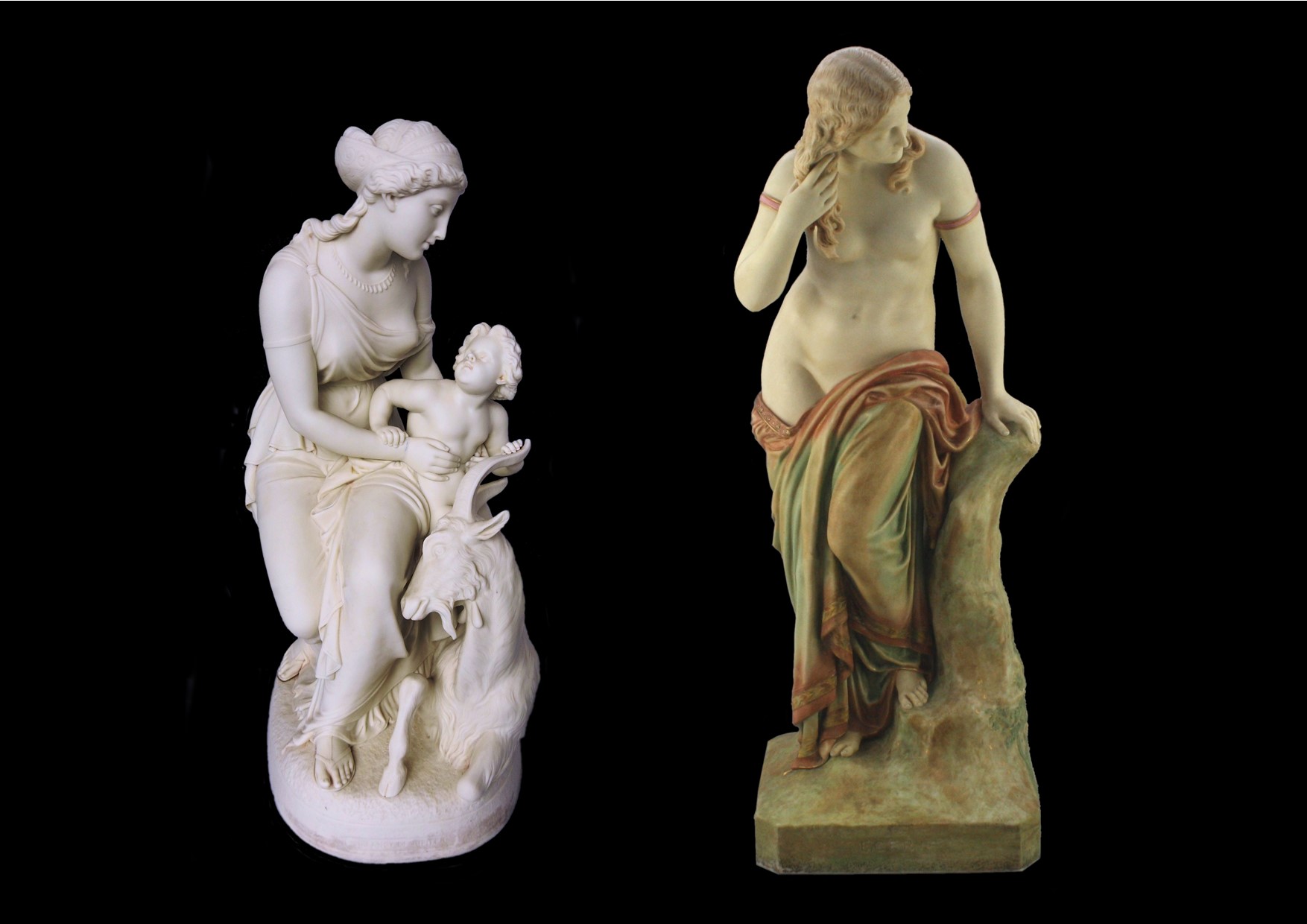
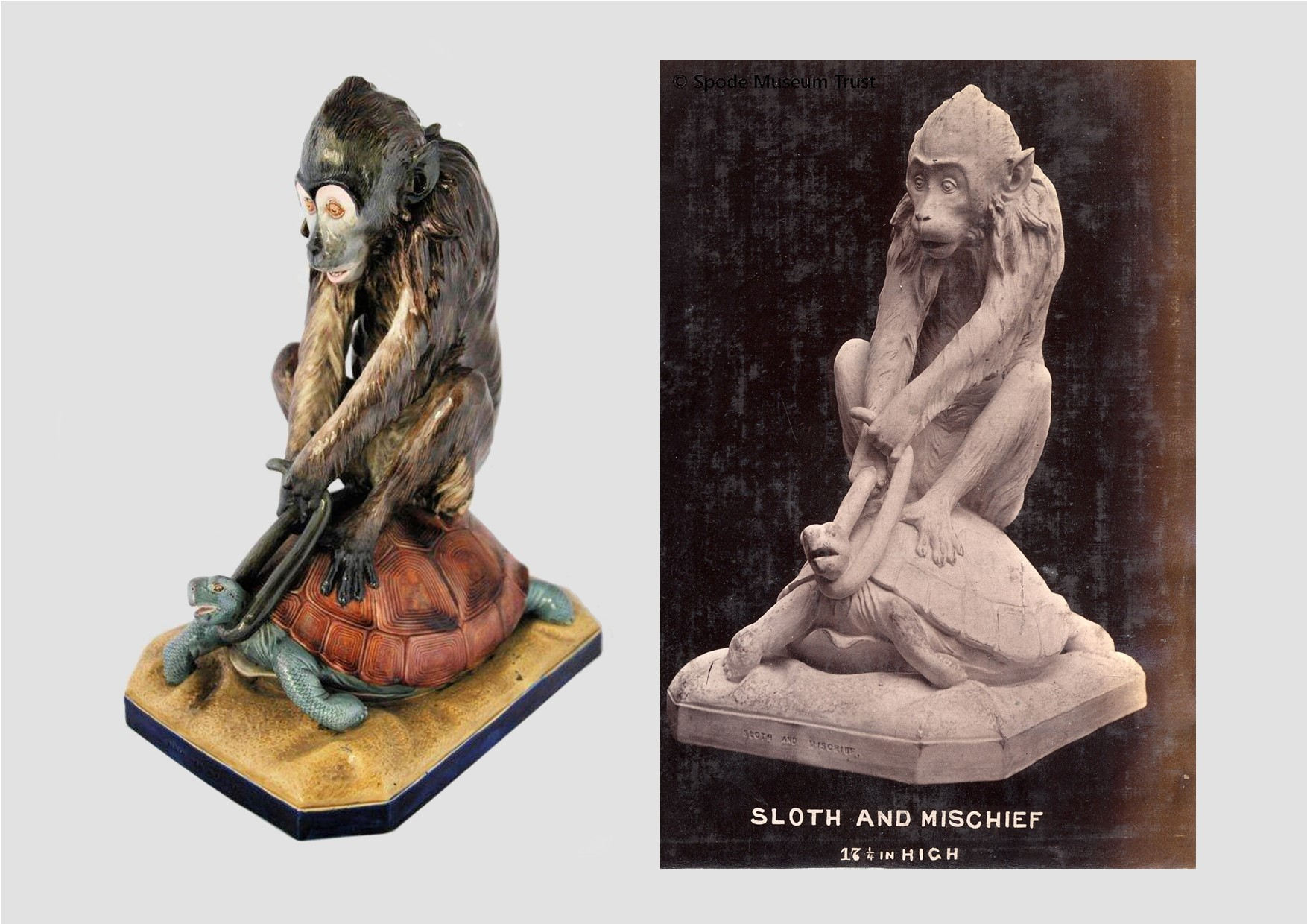
Under the Copelands, the factory vied with Minton in making some of the most spectacular ceramics wares of the age. Gifted artists, such as C. F. Hurten, were imported from continental factories and superb pieces were exhibited at the Great Exhibition of London 1851 and International Exhibitions in London, 1862 and Paris 1878.
Always willing to accept a challenge, the factory has undertaken some remarkable assignments. In 1868 the roof of the Reading Room at the National Library in Paris was completed. It was formed of nine cupolas lined with ceramic tiles made by Copelands – no other ceramic manufacturer was prepared to undertake this task. The original plans and drawings are in the Spode Museum Trust Collection.
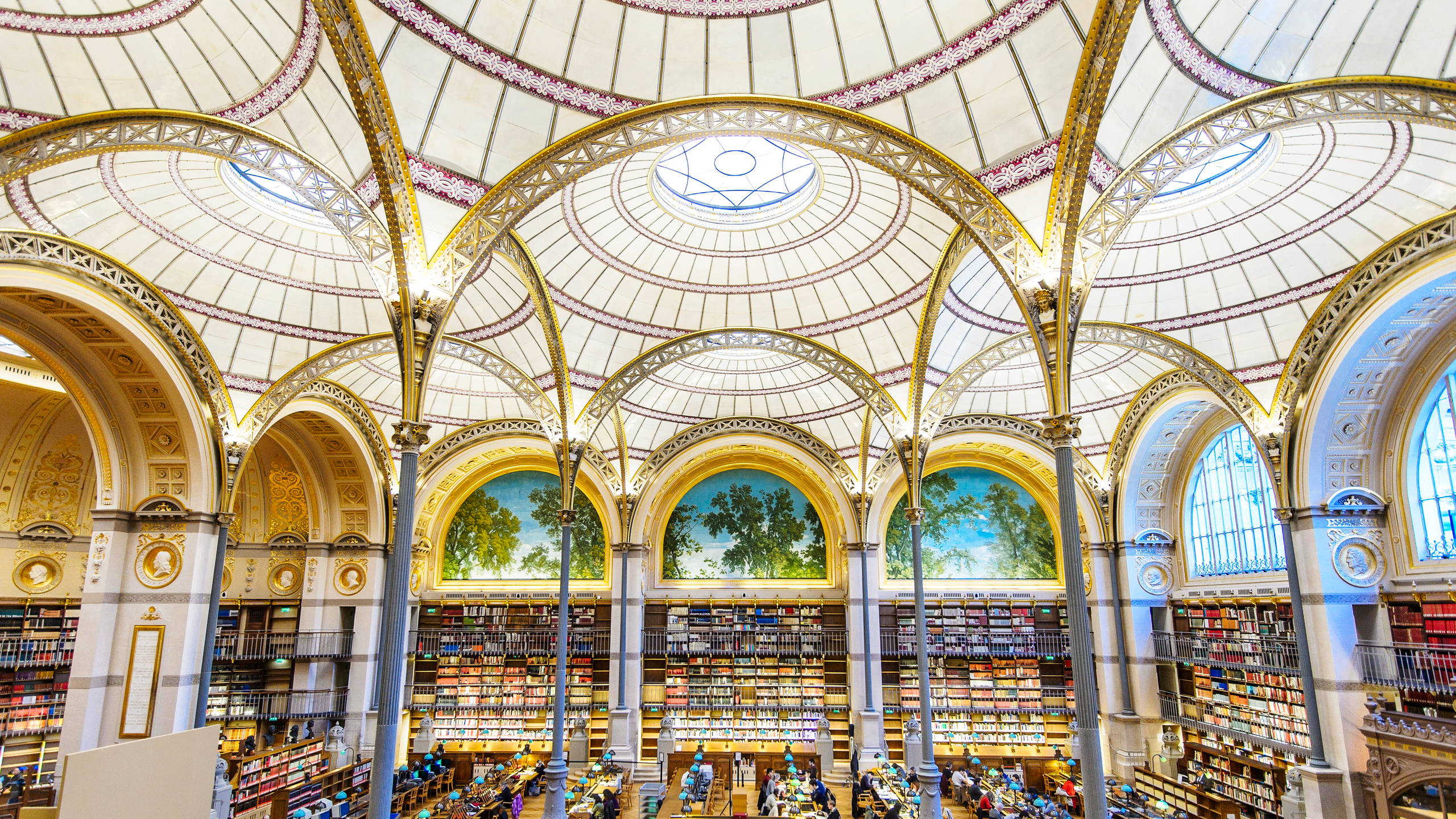
The Reading Room at the National Library, Paris