The Copeland Period Part 2, 1901-1966
By 1900, the company had been owned and managed by the Copeland family for 67 years, and was to remain so for as long again.
By 1900, the company had been owned and managed by the Copeland family for 67 years, and was to remain so for as long again.
After the First World War, dinner and tea services “for best” were high on the list of growing numbers of young homeowners and huge quantities of such services were made at a range of prices.

Paintress applying green banding to Chinese Rose pattern tea cup
Earthenware products were made to the highest of standards and high quality clay and glazes were used to produce a durable and non-crazing product with a beautiful silky glaze. A wide variety of transfer printed patterns was produced, often variants of patterns first produced in Josiah II’s time, on a large scale. Some of these, such as ‘Chinese Rose’, ‘India Tree’, ‘Spode’s Italian’ (so named to distinguish Spode’s product from its imitators), and ‘Christmas Tree’ were immensely popular. It has been estimated that some 30 million Christmas Tree pieces are presently in use in the USA alone.

Churchill Mugs on ware boards, c.1941
Every transfer print was made from hand engraved copperplate. The engraving process demanded extraordinarily high skills and each copper-plate took on average six man weeks of work to complete. The most popular patterns needed numerous copperplates to be able to make the necessary variety of shapes and sizes. With the advent of computer technology, the need for hand-engraving diminished.
The company also produced fine wares reflecting Art Deco and modernist styles, in the 1930s recruiting sculptors such as Erik Olsen and producing work in new ceramic bodies such as Onyx and Velamour, which were suited to current fashions.


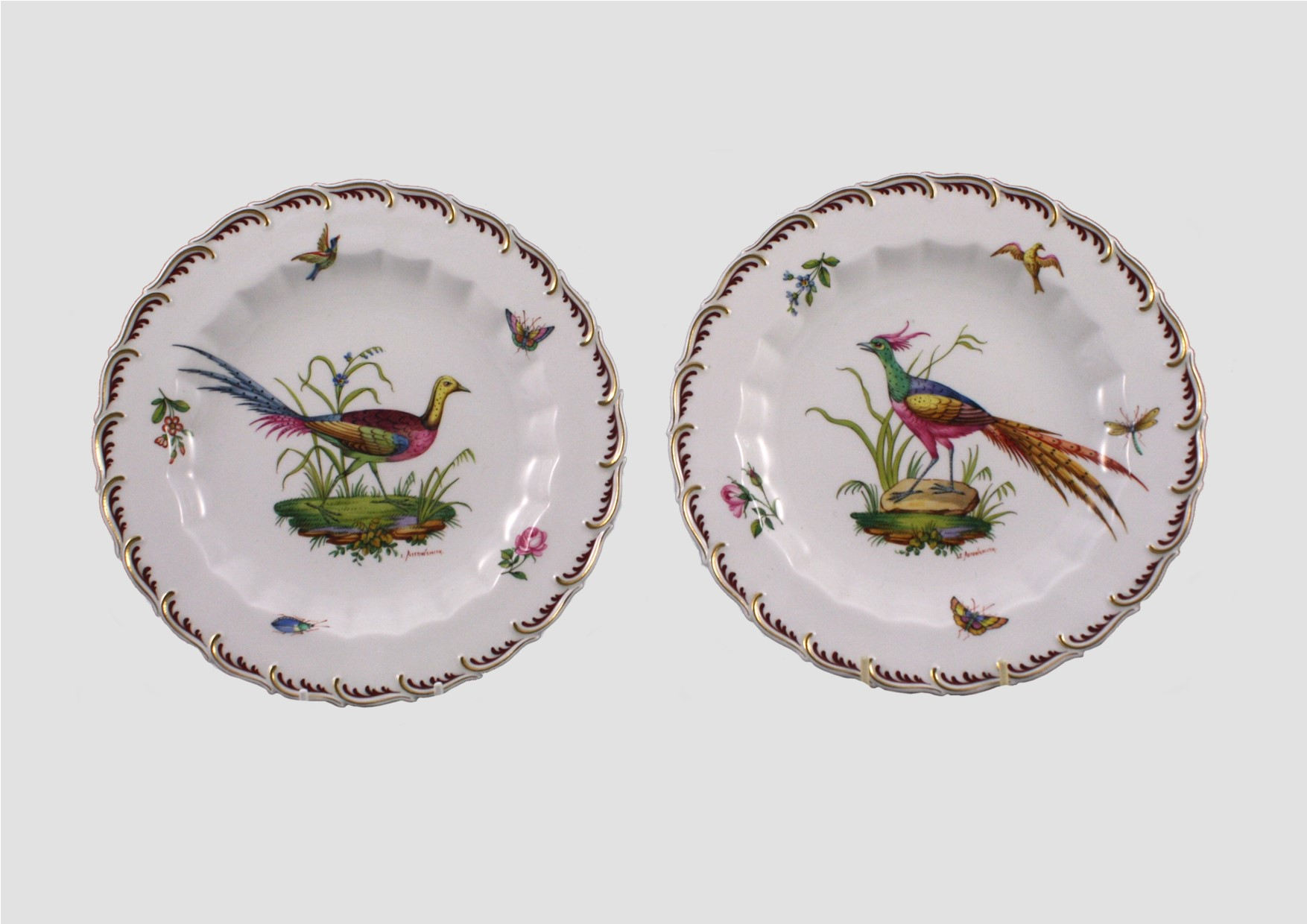

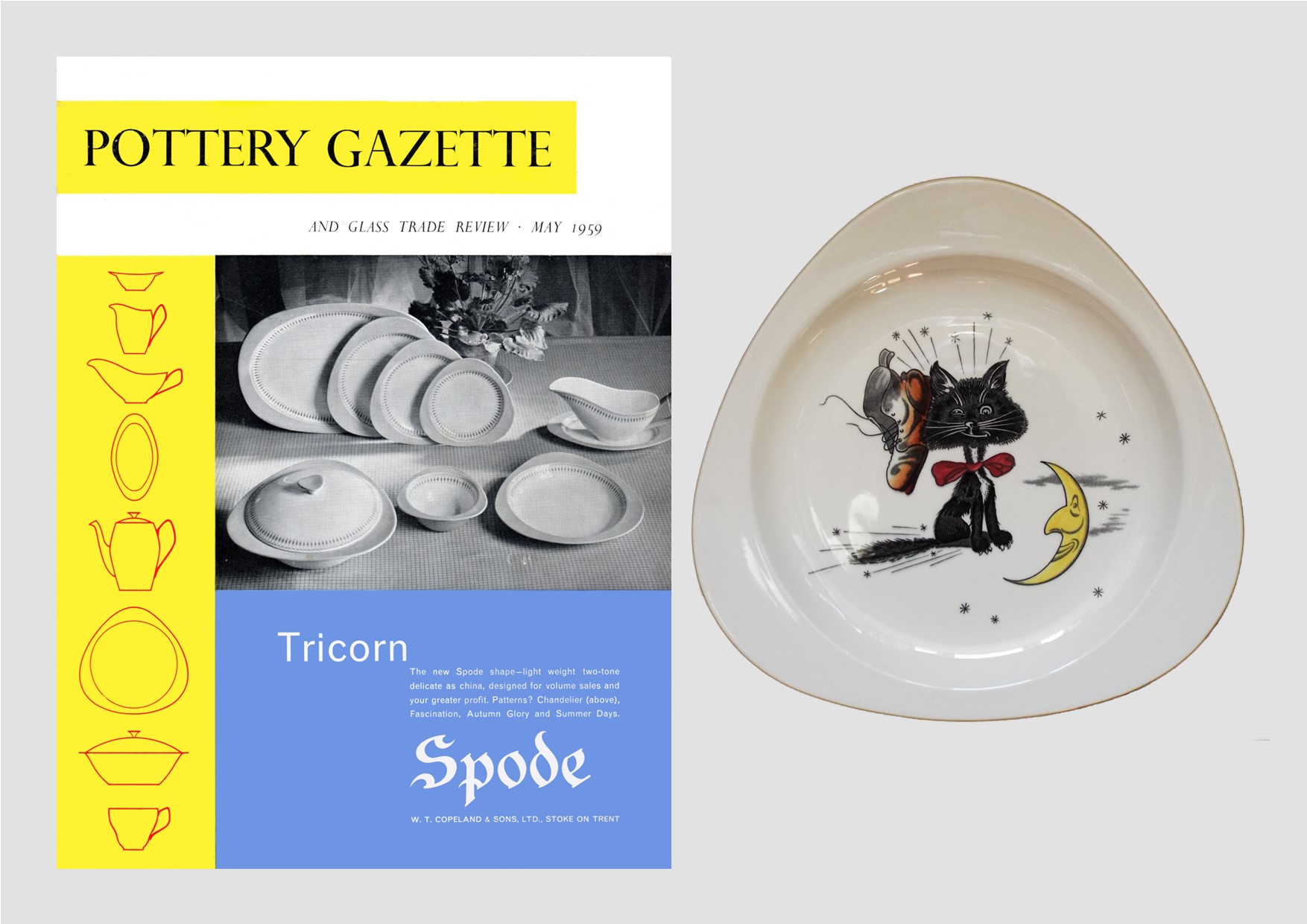


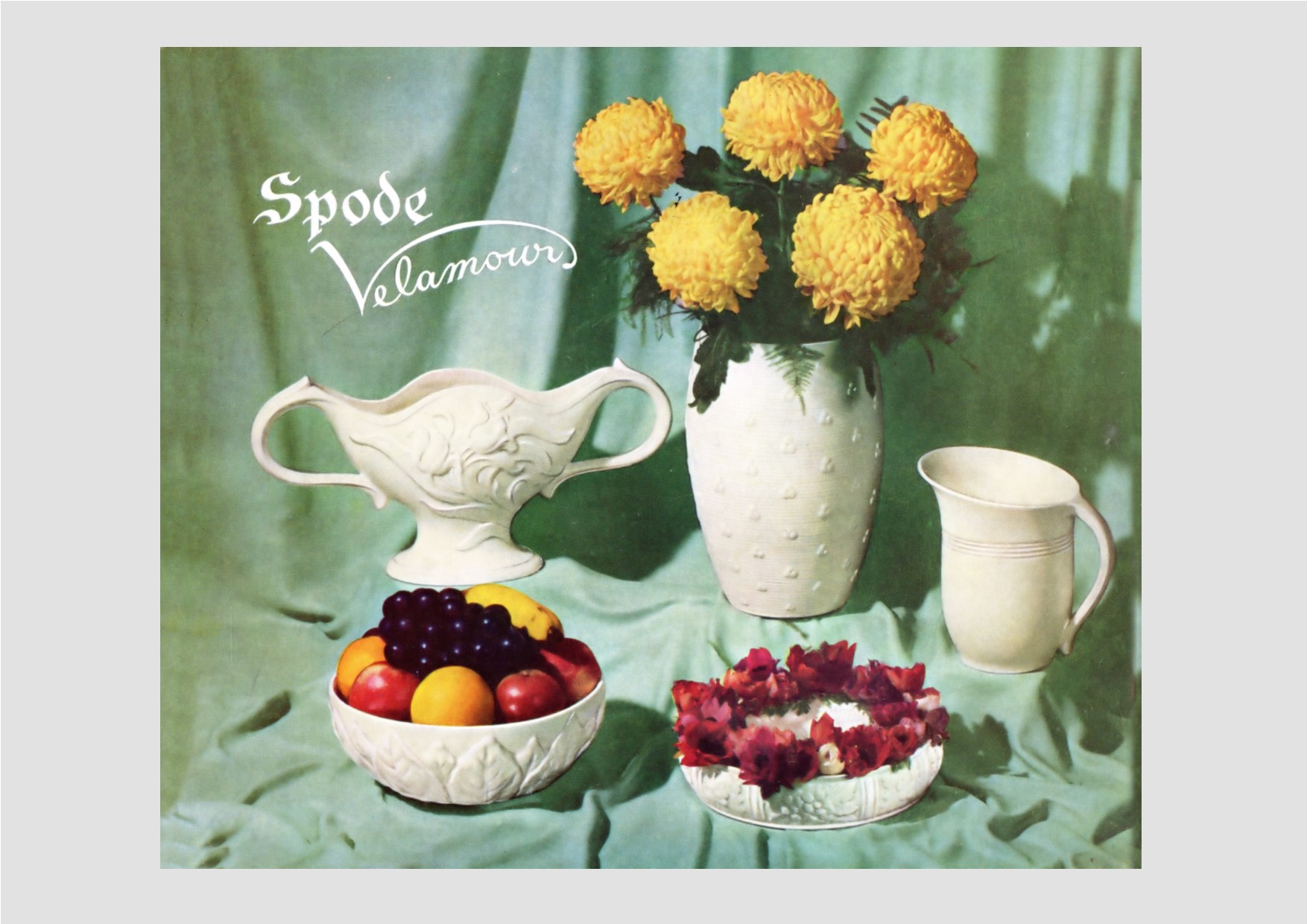


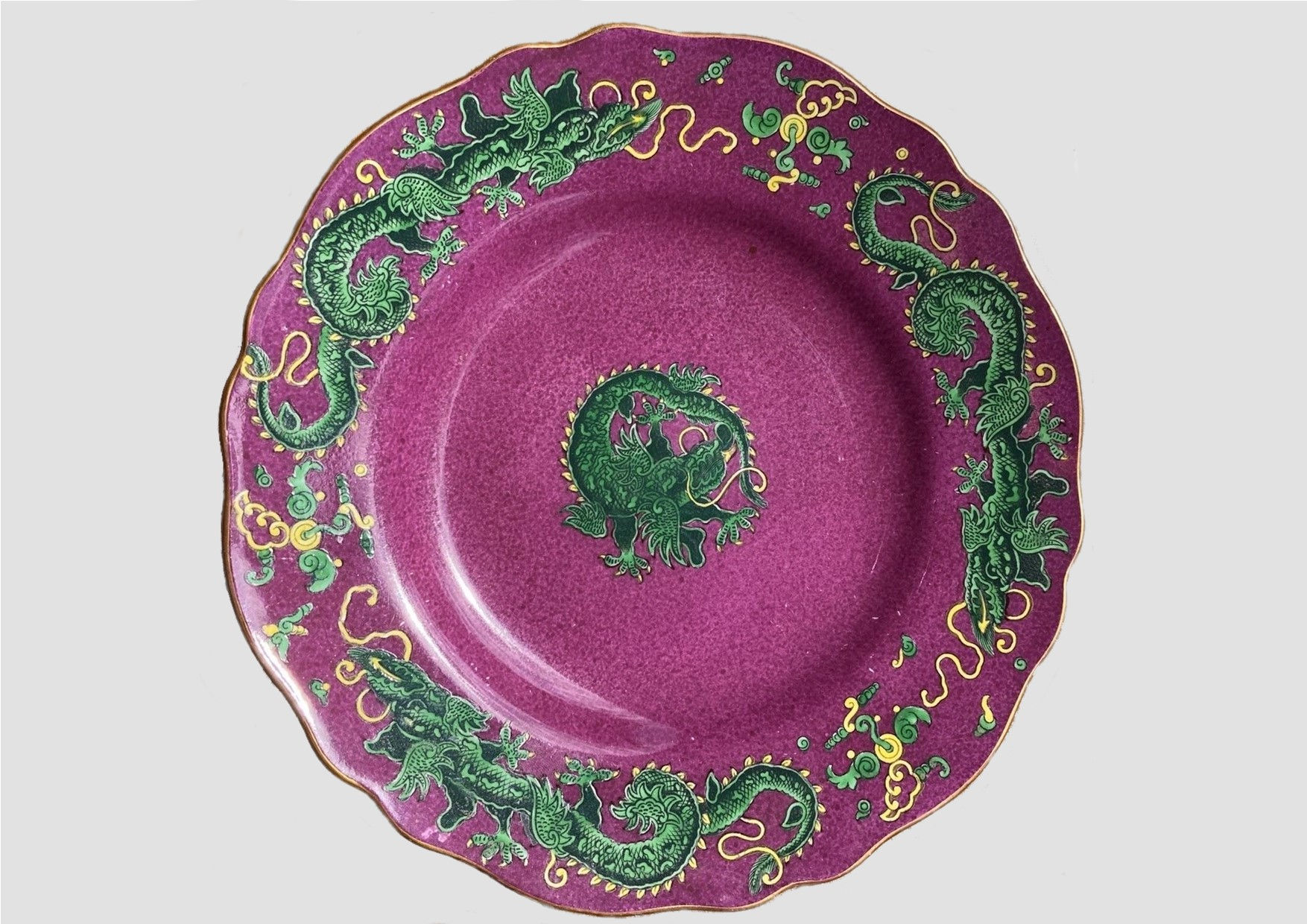
Some of the new patterns introduced in the period became classics. “The Hunt”, based on various paintings by JF Herring, a fairly important Victorian artist of whom the Copeland family had been patrons, and some of whose work hung in Copeland family homes, was produced on tea, dinner and ornamental wares. “Rhododendrons” was based on specimens grown in the Copeland family home in Trelissick, Cornwall.
The Copelands had purchased the antique moulds made at the Chelsea and Derby ceramics factories in the 18th Century and in the 1930s, the factory produced a range of figures, cast from and based on the Chelsea/Derby originals.
Fine hand-painted bone china continued to be made throughout the period. With technological improvements and use of only the finest raw materials, Spode produced the finest Bone China body in the world. By maintaining the specialised rare skills of its employees, while at the same time investing in newer manufacturing processes, the factory kept the flexibility and capacity to make both larger quantities of mass-produced items and one-offs for special orders.
The company passed out of the hands of the Copeland family in 1966.
The Second Spode Period 1966-2008
From 1966, the company underwent a number of changes of ownership, during which the business was merged with Royal Worcester.
About the Second Spode period