Early Spode Wares
Many of Josiah Spode's productions were unmarked and therefore very few of the earliest Spode pieces can be easily identified.
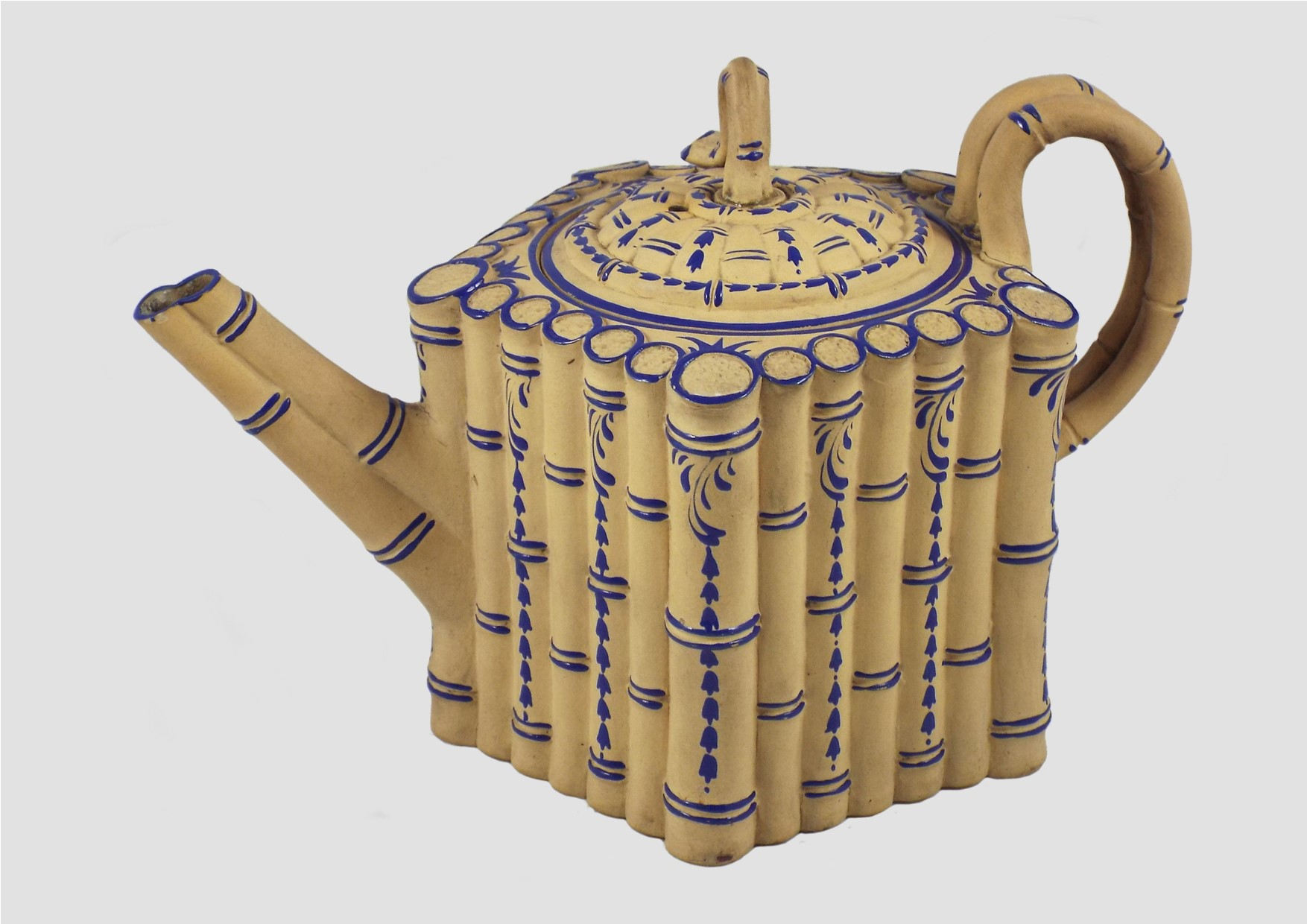
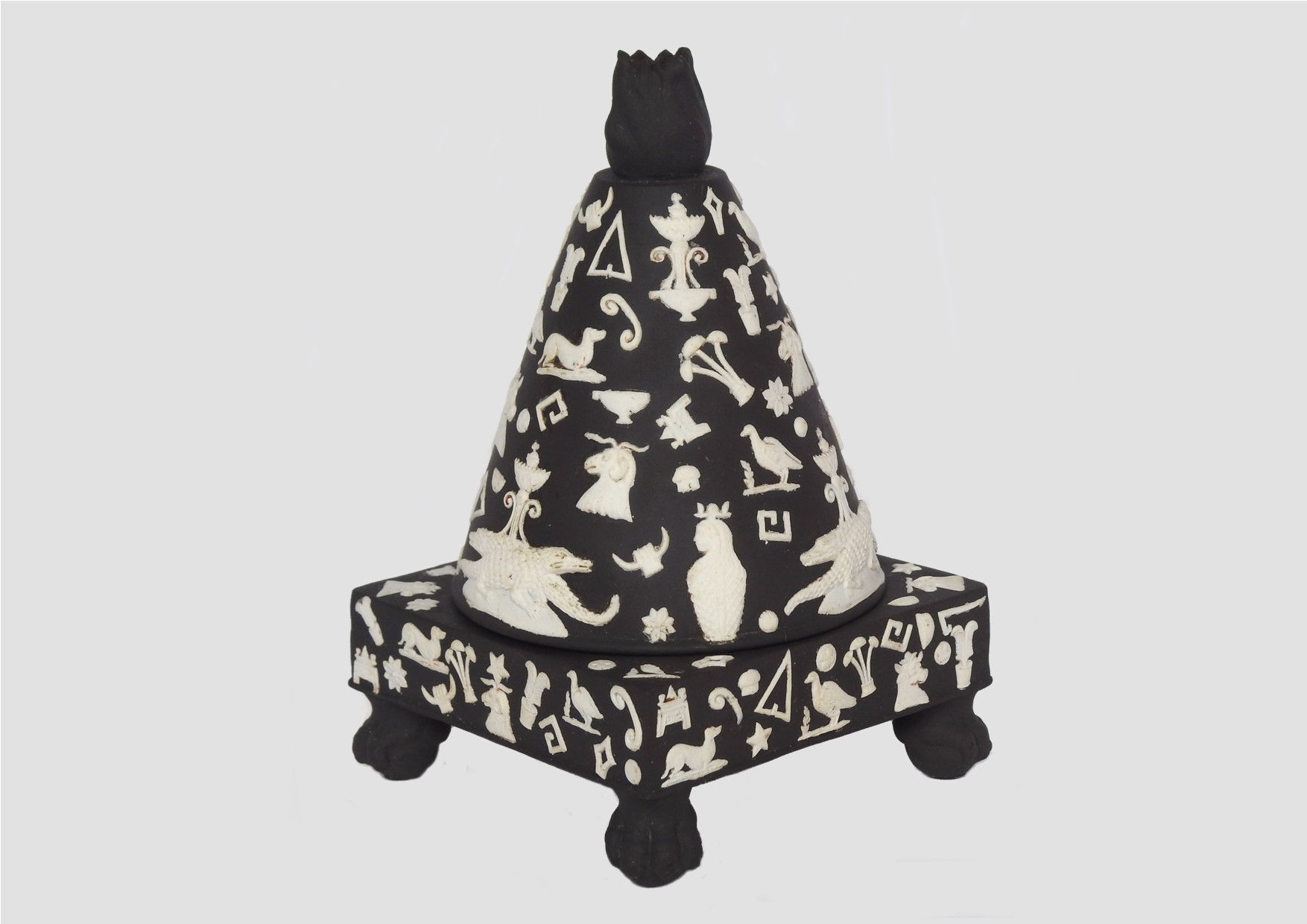
It is a paradox that while Josiah Spode I ran his factory for almost 30 years and died a wealthy man, his productions were unmarked and therefore very few of the earliest Spode pieces can be easily identified. It is known that he produced a wide range of ceramic bodies, often imitating those of Wedgwood, including creamwares, basalts, stonewares, redwares, Jasperwares and of course blue-printed pearlwares and early experimental porcelains.
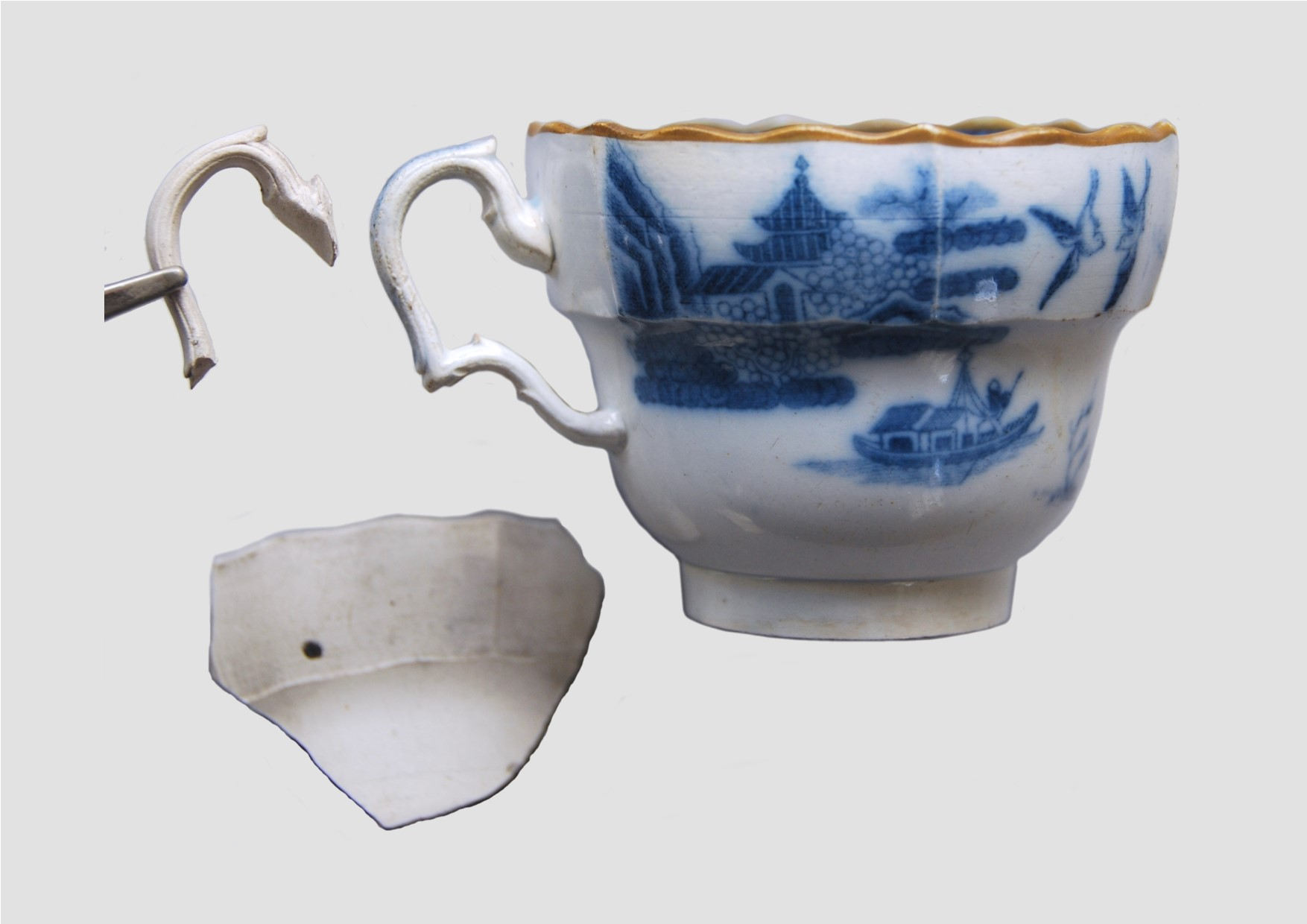
The collection includes many examples of all of these, dating from between c1790 and 1815, a few of which are shown here.
The collection also includes thousands of shards excavated from the Spode site. Some, dating from Josiah I’s time, have in recent years enabled identification of hitherto unknown pieces from their shapes. The images shown on this page are of a pearlware teacup c.1790 decorated in an early version of the Willow pattern, identified as Spode from the cup handle and rim shards pictured alongside. Also a creamware beaded sugar box of an earlier date, possibly c.1770-80, identified from the handle base identical to that on a shard found on the Spode site.
The Museum’s collection includes a wide variety of pieces made in Stone China. Among the examples illustrated are two original Chinese 18th Century plates and Stone China plates that Spode made imitating them, recently donated to the Museum by the family of the late Robert Copeland.







Early Blue and White Wares
Josiah Spode I perfected underglaze transfer printing on earthenwares and produced numerous series of blue printed dinner and other services of spectacular quality.
About Early Blue and White Wares