Early Blue and White Wares
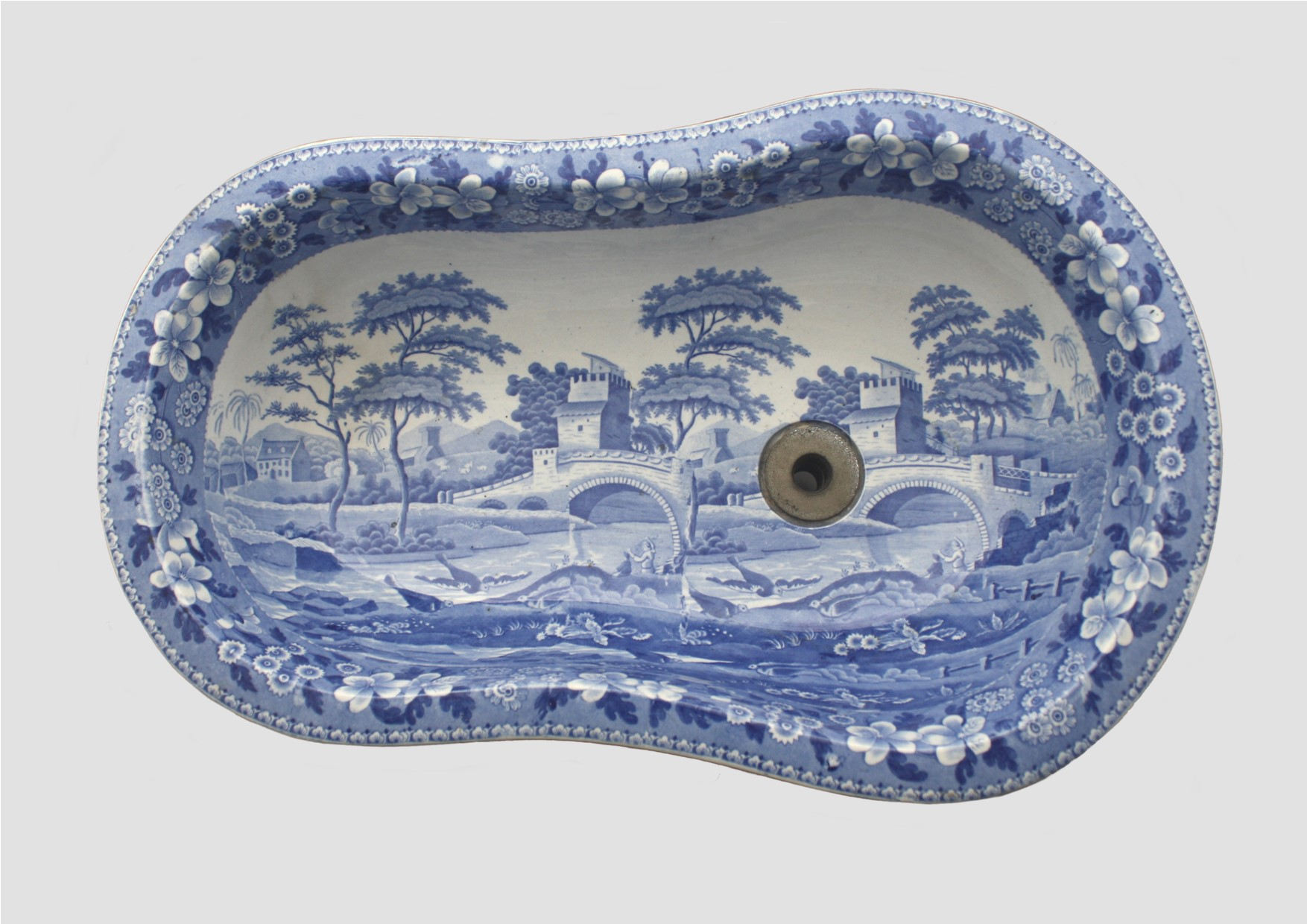
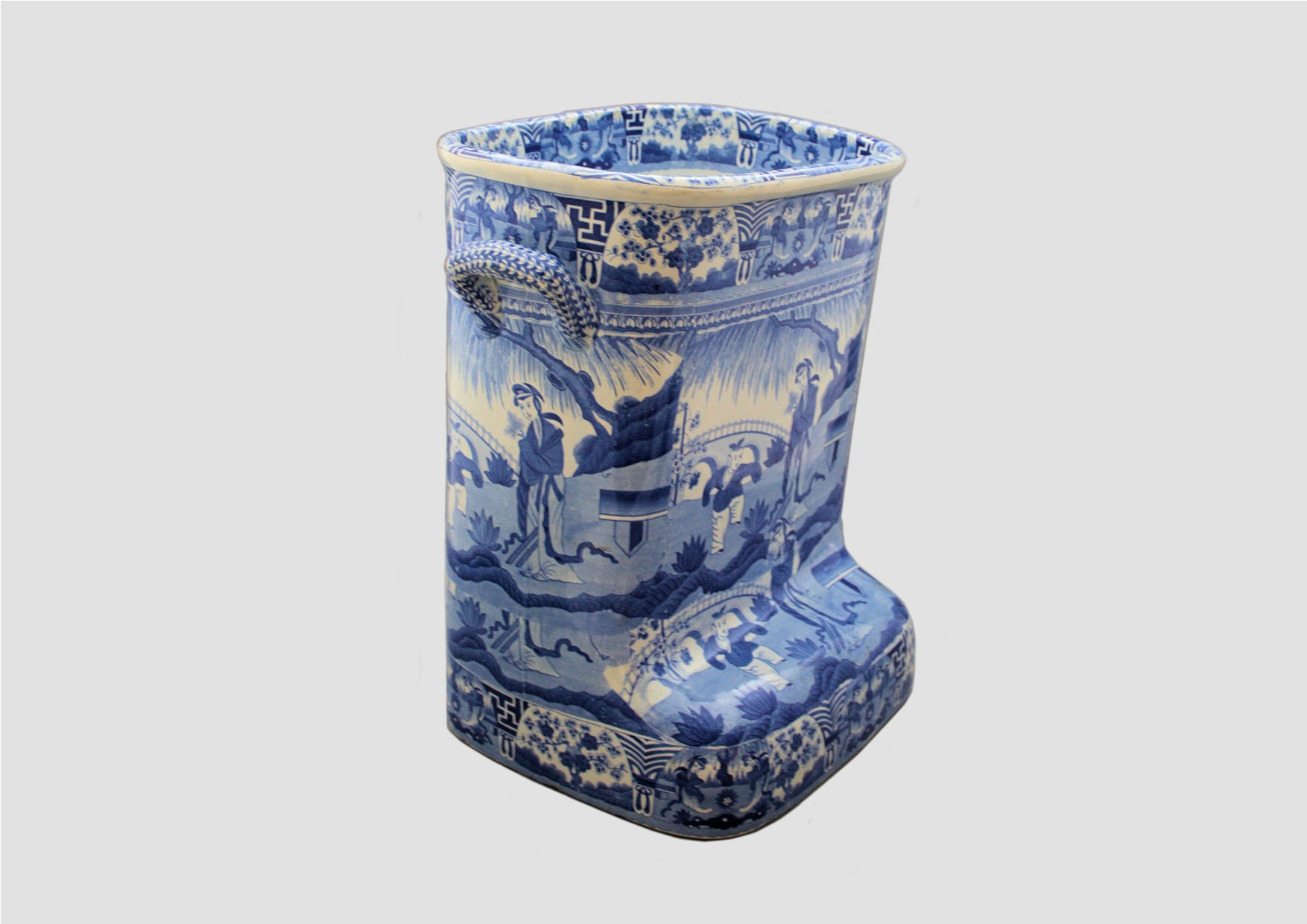
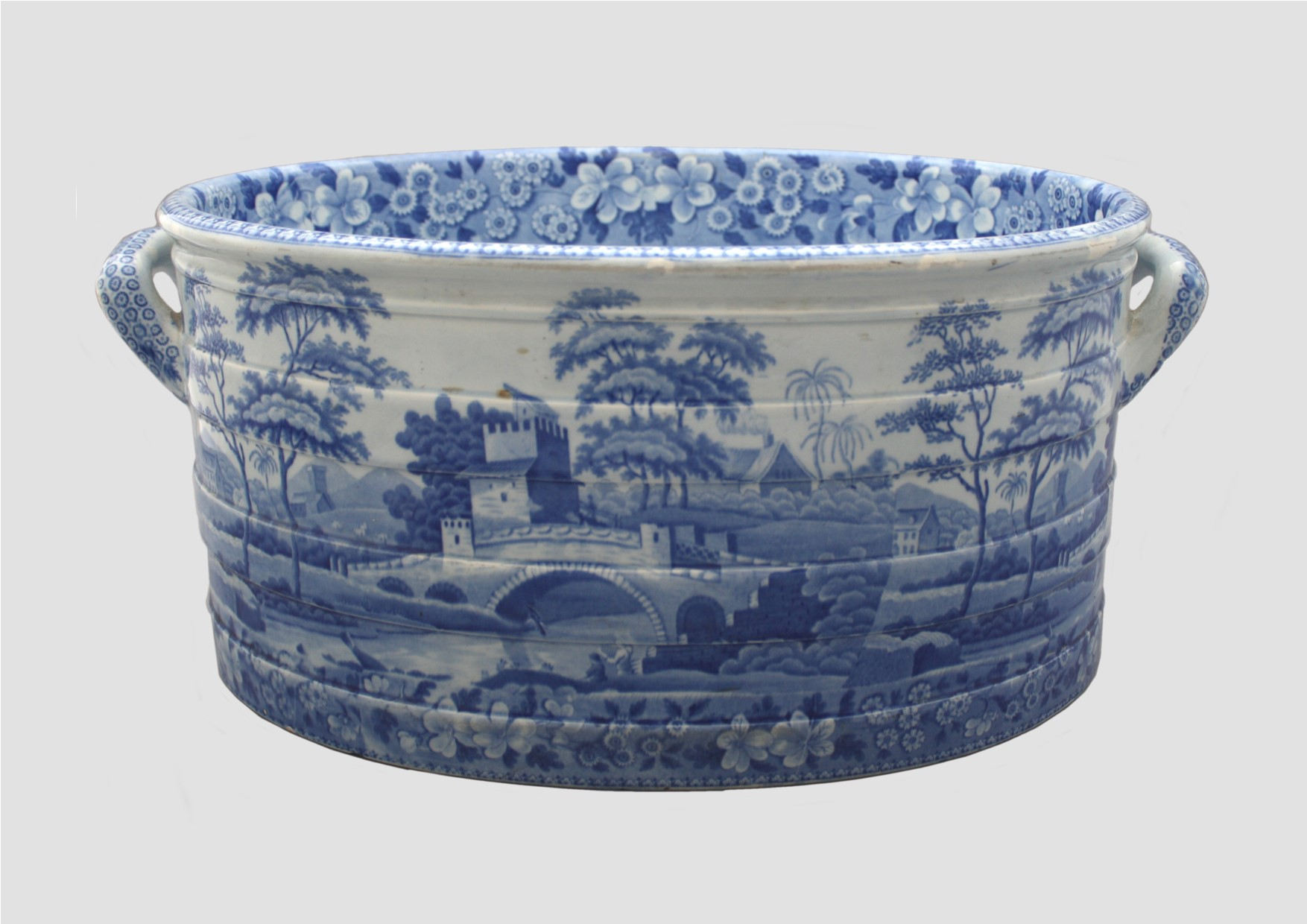
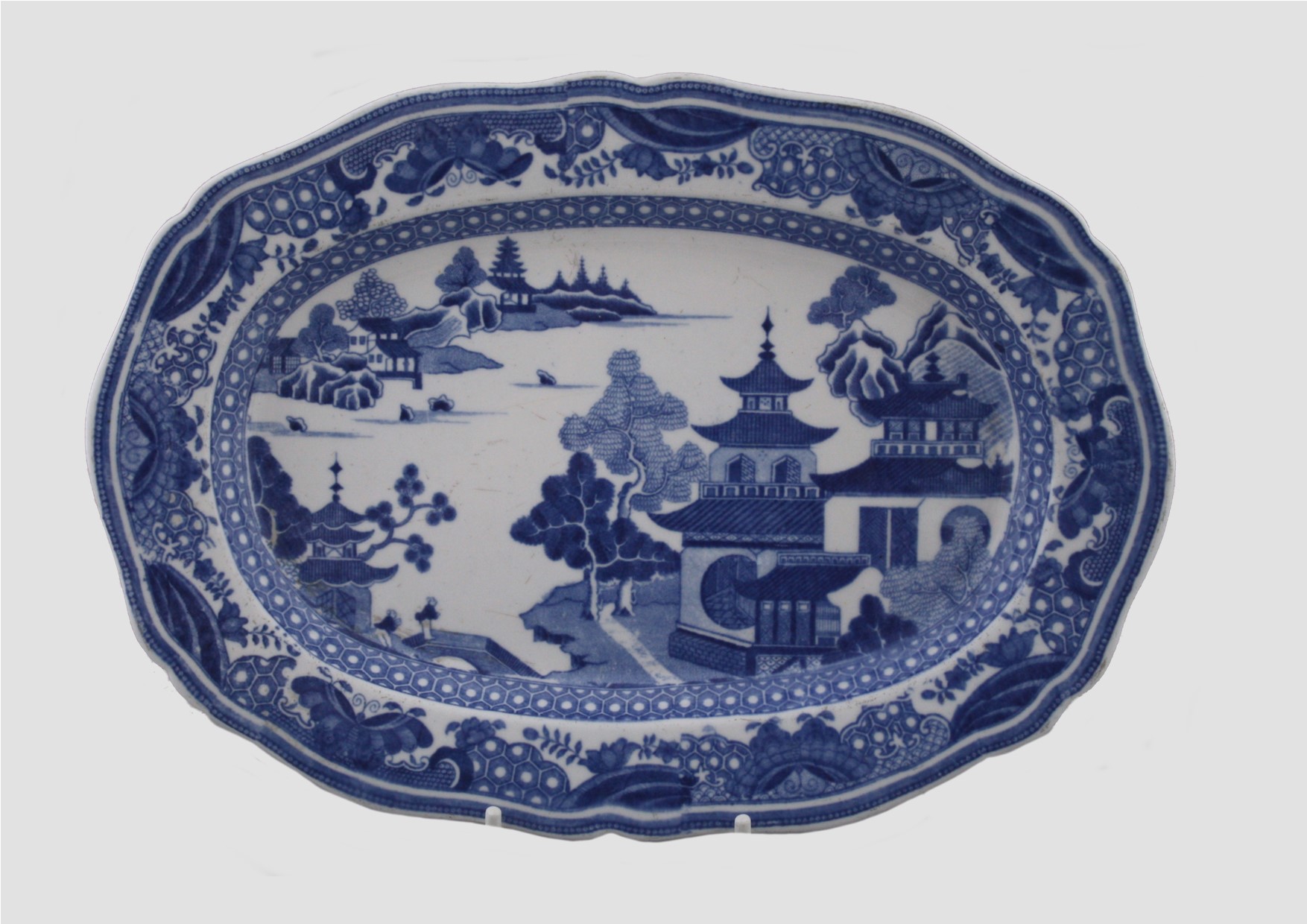
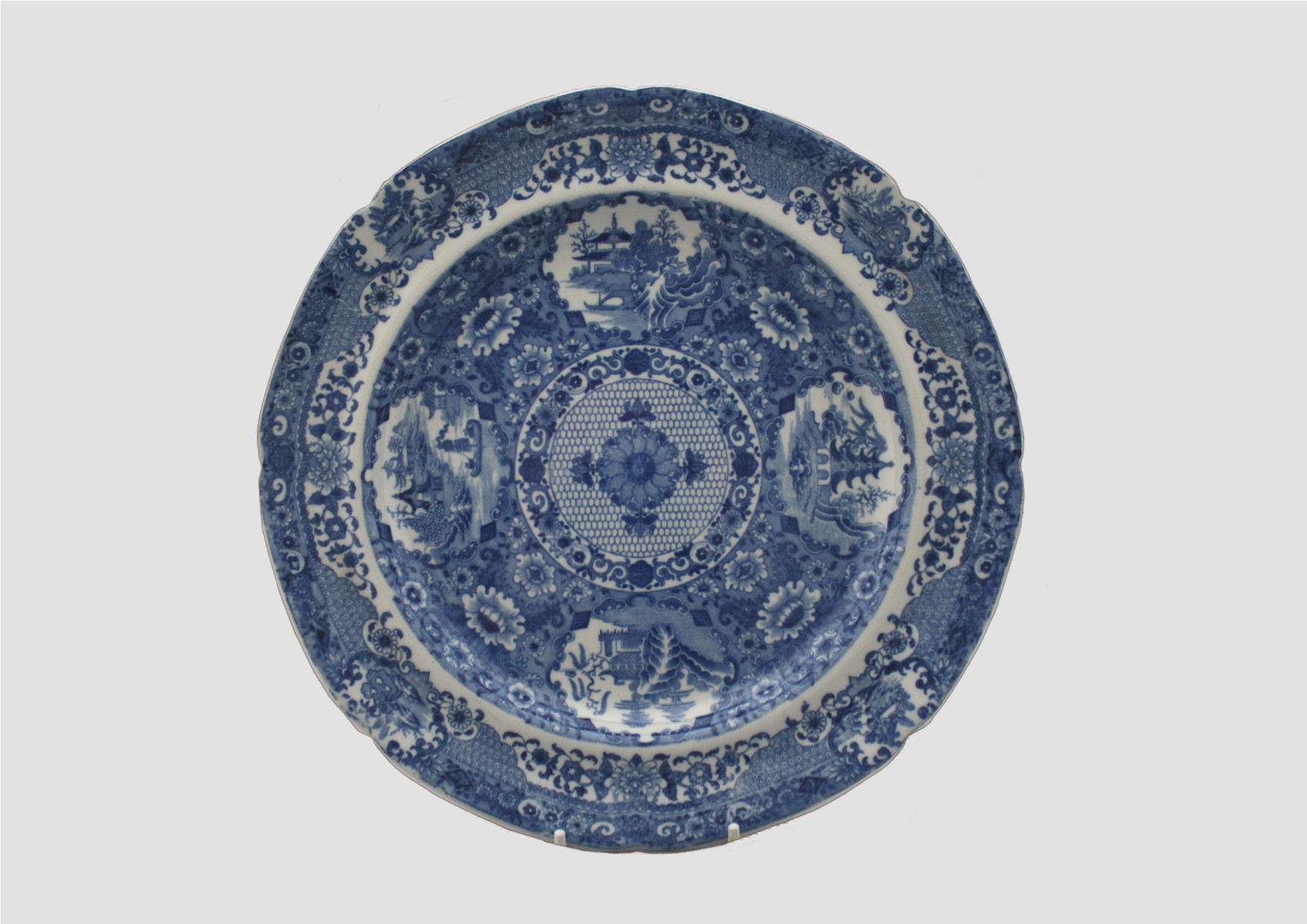
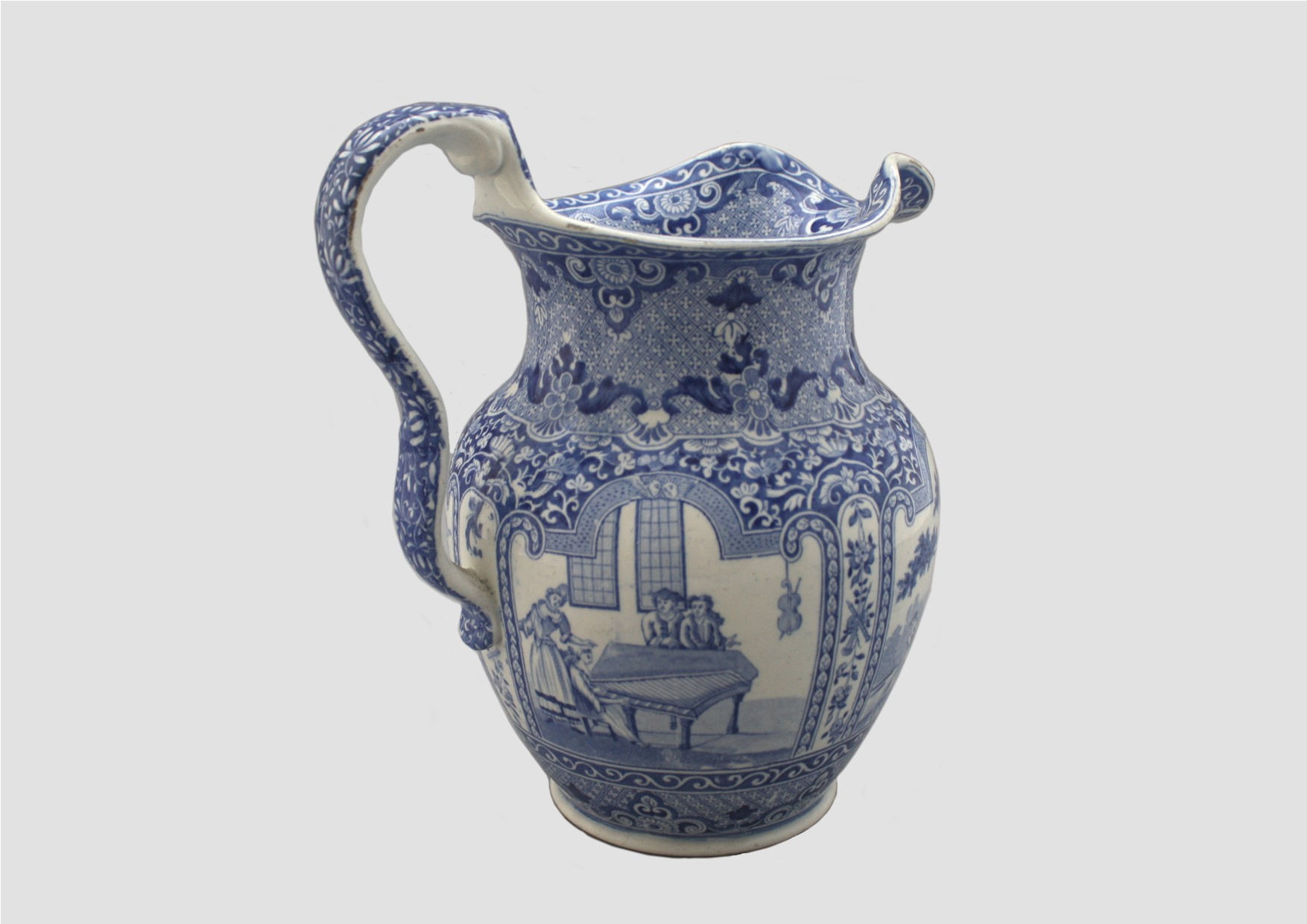
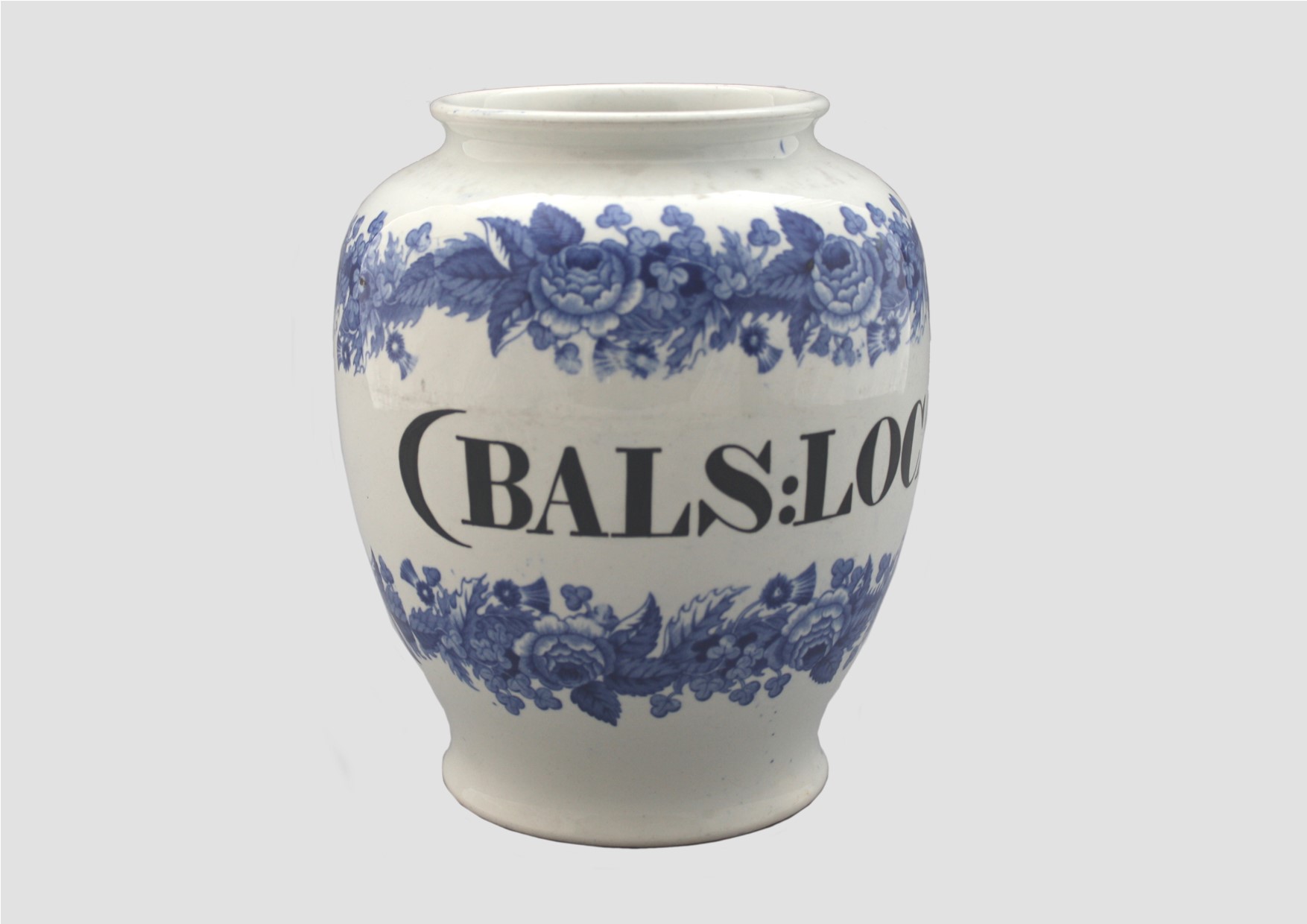
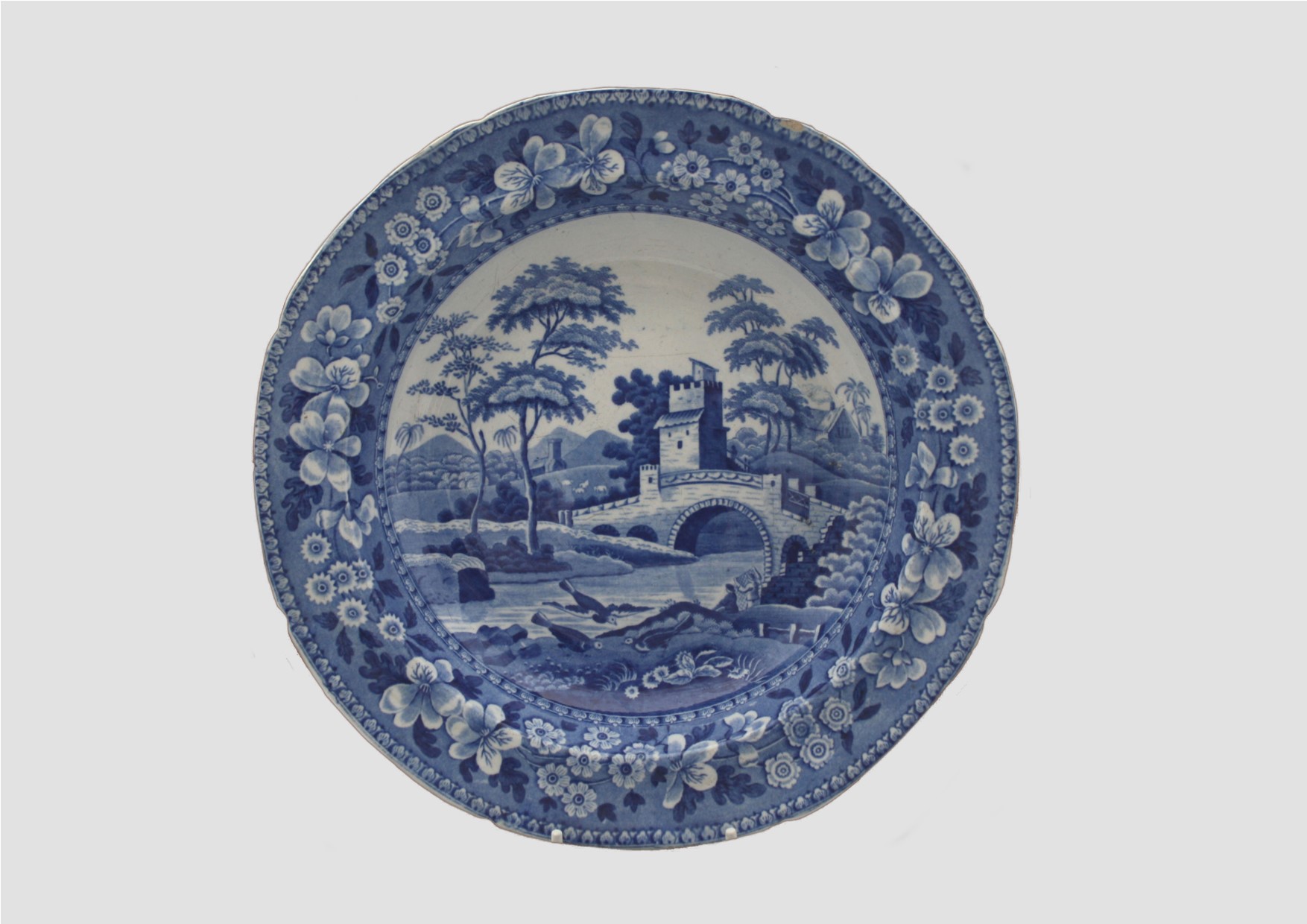
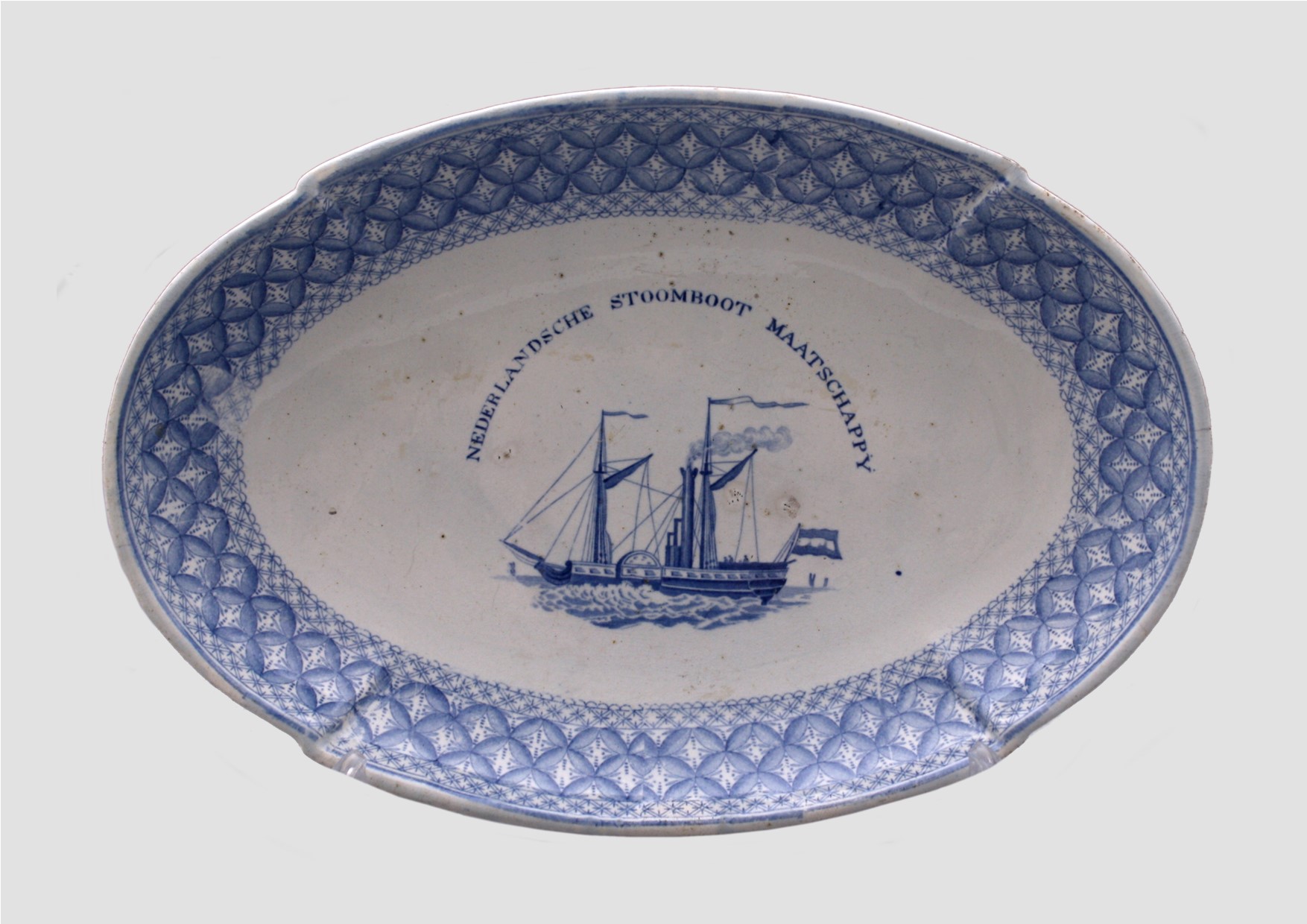
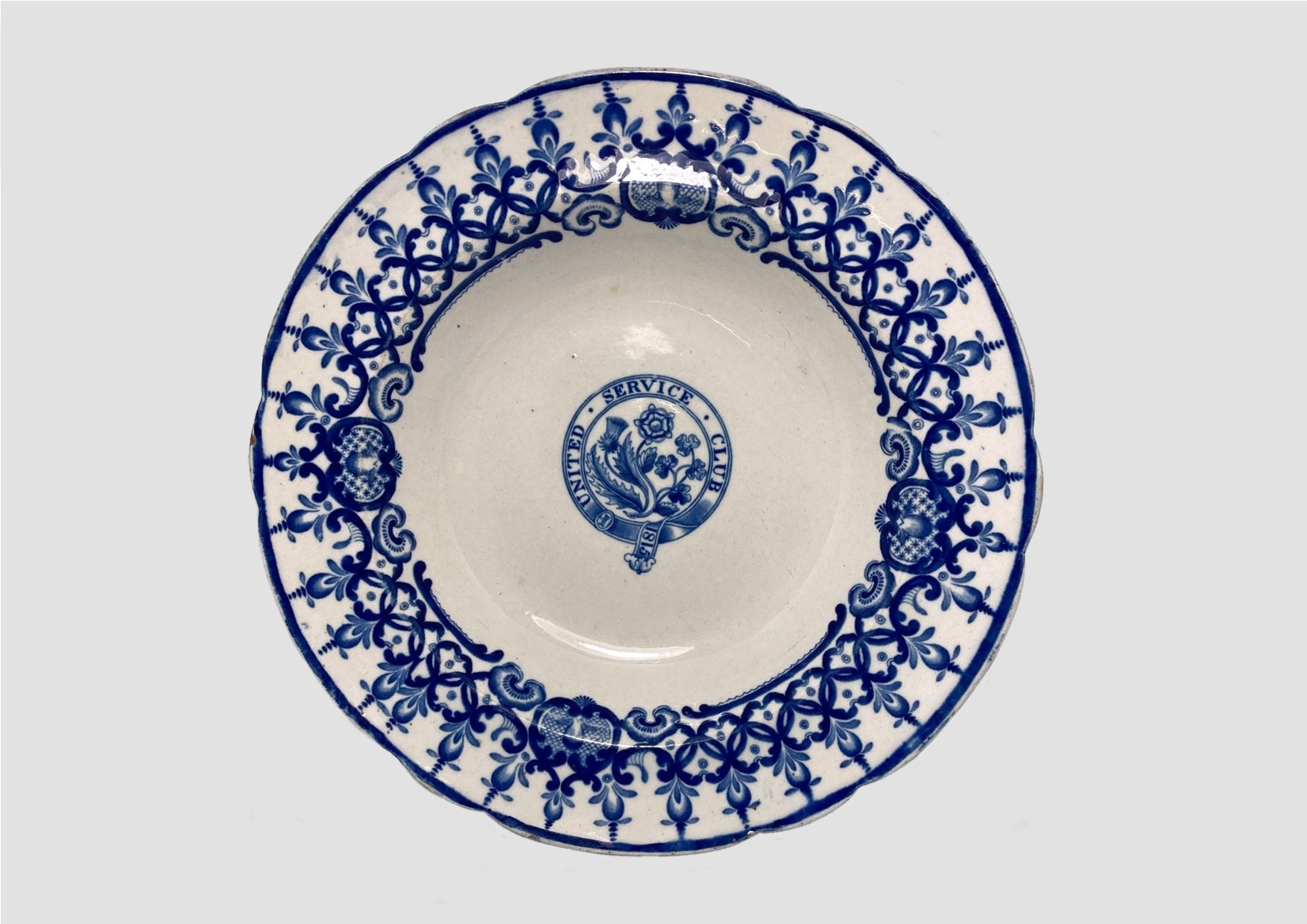
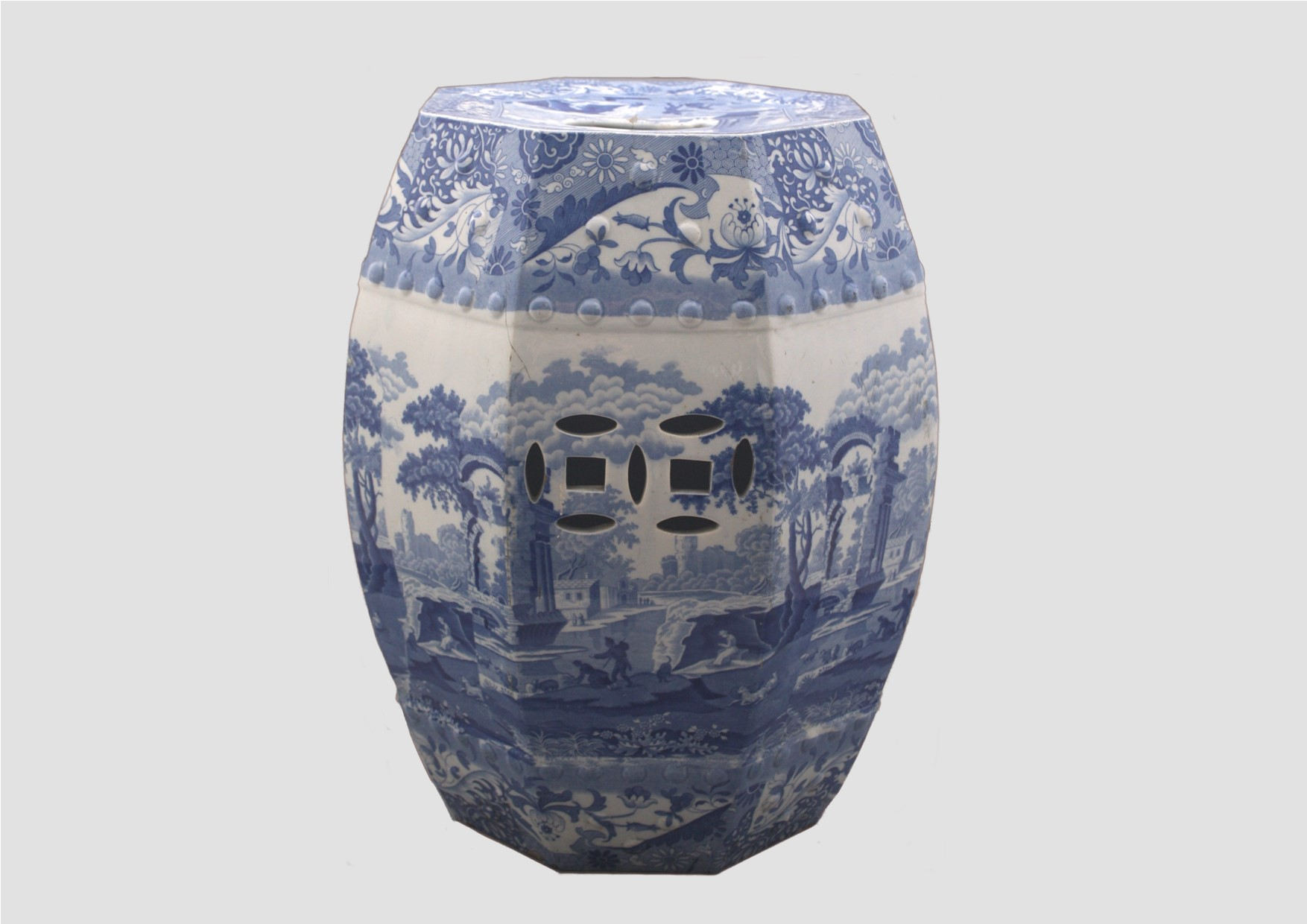
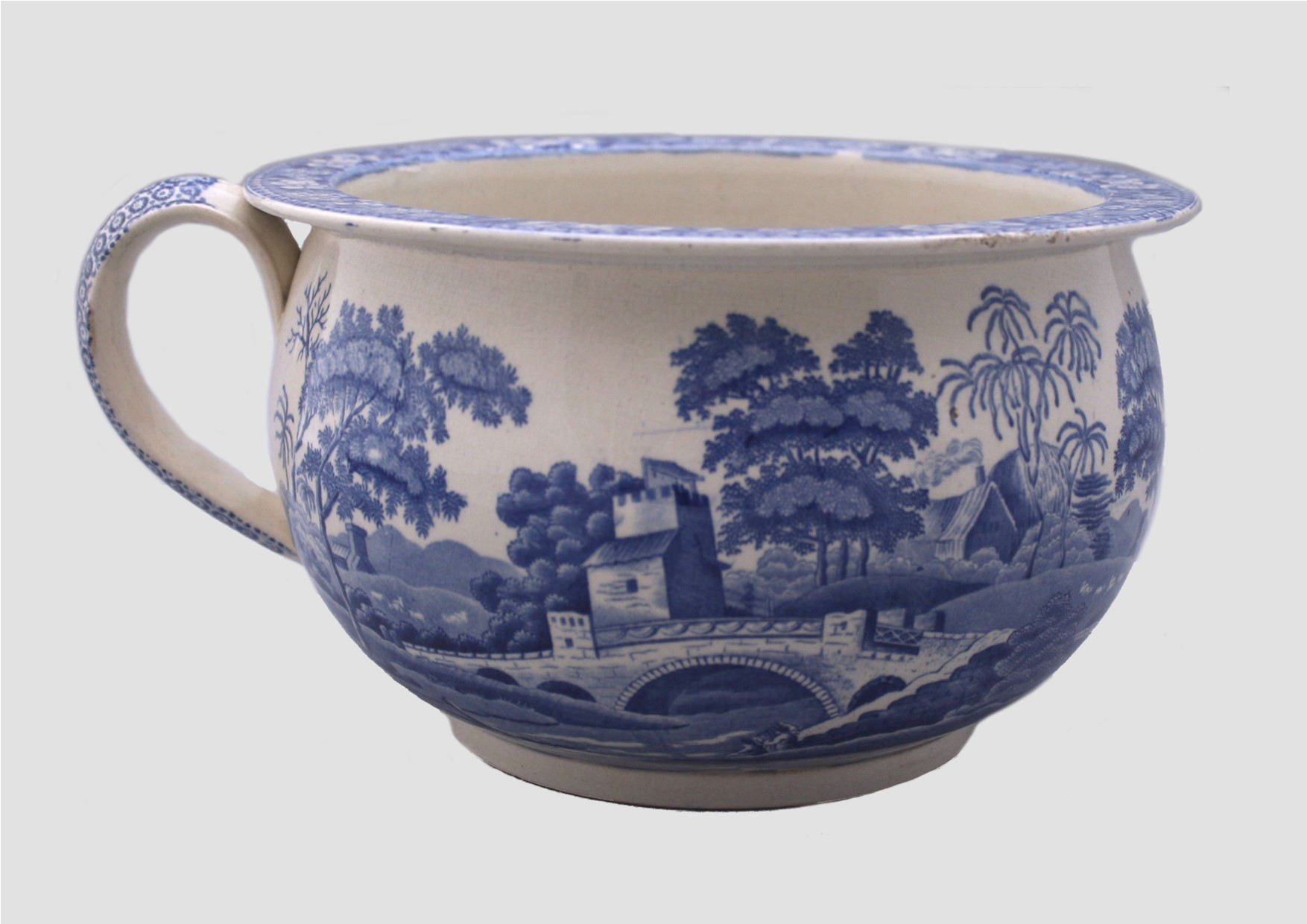
Josiah Spode I perfected underglaze transfer printing on earthenwares and produced numerous series of blue printed dinner and other services of spectacular quality.
Josiah Spode I perfected underglaze transfer printing on earthenwares and produced numerous series of blue printed dinner and other services of spectacular quality. Different designs were used on different shaped items; the ’Indian Sporting’ series alone has 21 different hunting scenes based on engravings in a monthly publication ’Oriental Field Sports’ by one Edward Orme of Bond Street, London.
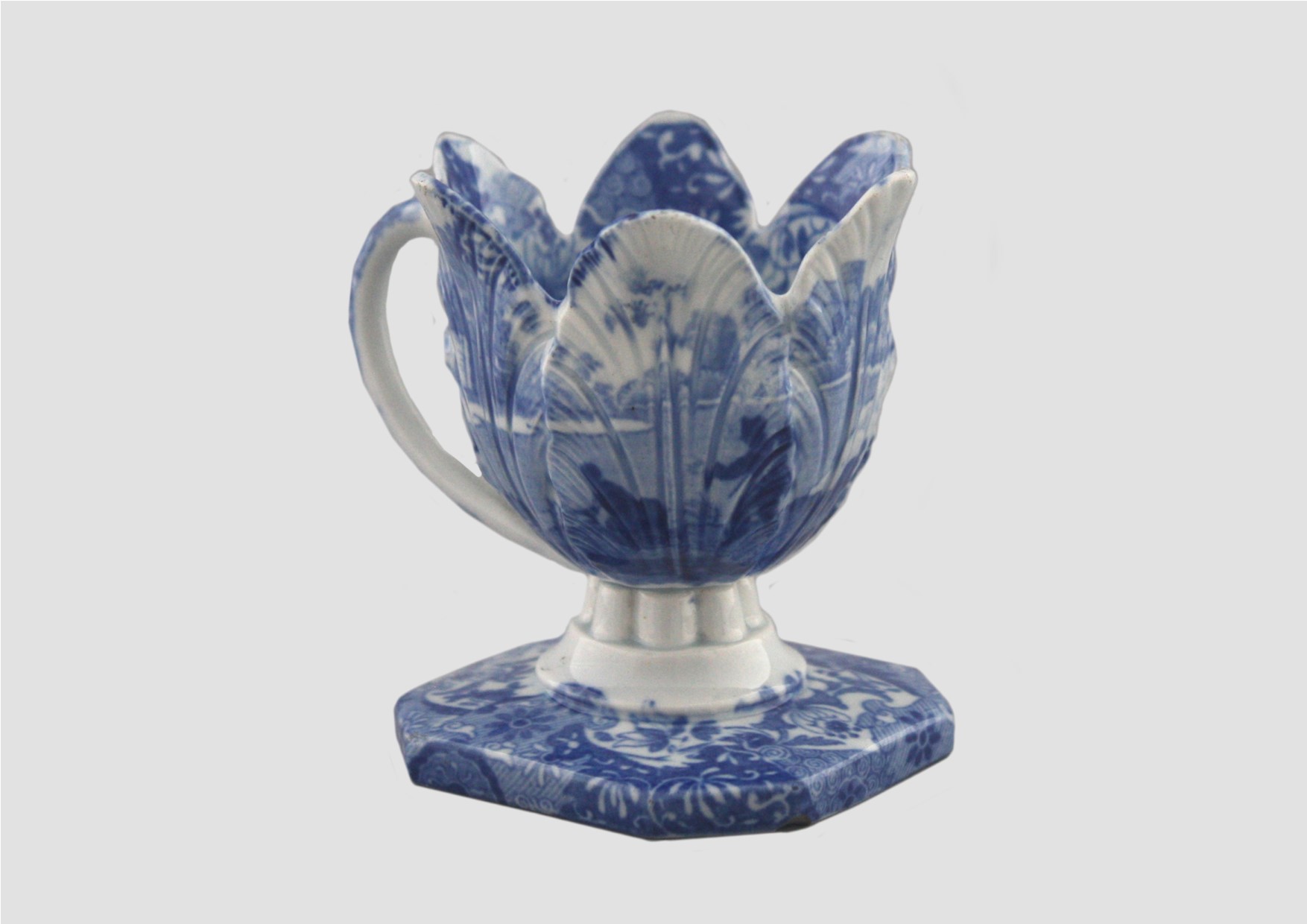
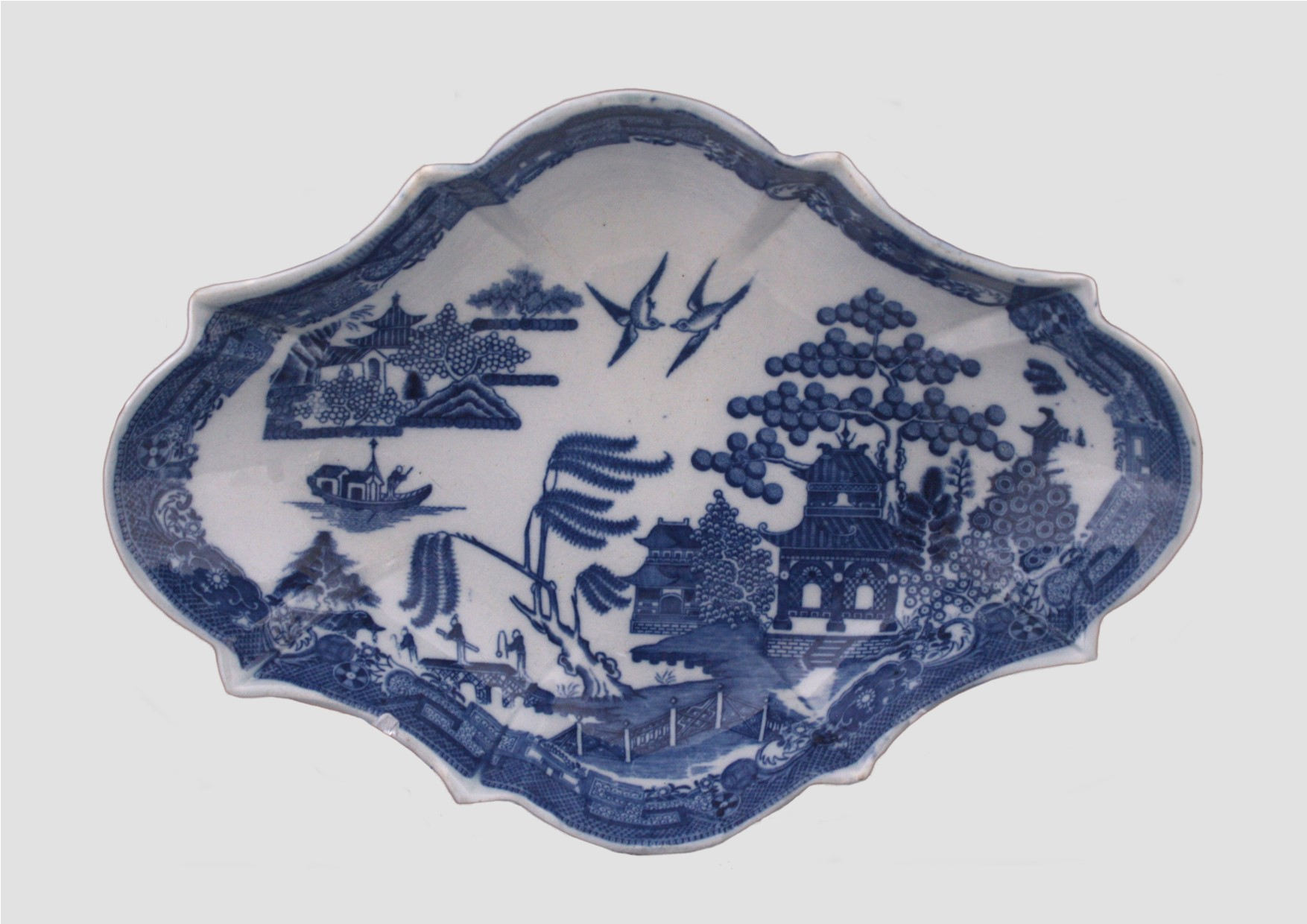
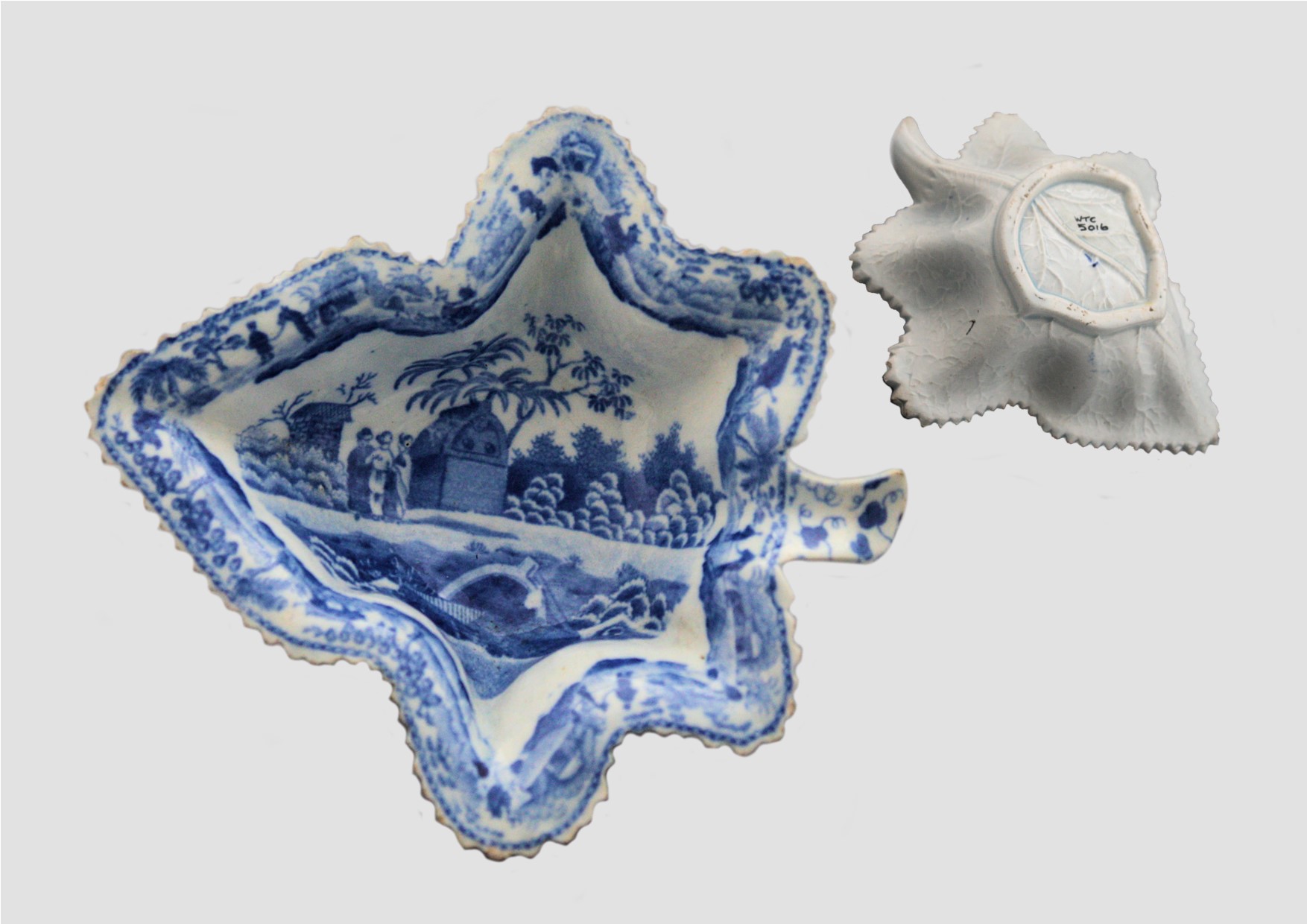
The Spode Museum collection of Blue and White printed wares is housed in the new recreated ‘Blue Room’ at the Spode Museum Trust Heritage Centre It comprises pieces of many of the earliest underglaze transfer printed Blue and White earthenware patterns made by Spode and also various 18th century Chinese pieces which formed the source of inspiration for many Spode patterns. It includes the earliest printed examples of the Willow pattern, commissioned by Josiah Spode and made around 1790 and the associated copperplate, thought to have been engraved for Spode by Thomas Minton. The Museum also owns the original copper printing plates of all the early patterns.
This rare earthenware dish has a Spode printed mark and Copeland printed mark for c.1908. Produced from an unidentified Spode copperplate of a ‘Foreign Port’ possibly Oman or Aden. The late Robert Copeland donated it to the Trust where it remained in storage until its recent rediscovery. There may be a Spode title allocated to this pattern but until this is known the title given by Robert Copeland of “Foreign Port” remains.

A rare earthenware dish named ‘Foreign Port’ by Robert Copeland, c.1908







Early Bone China Wares
English Bone China was invented at Spode and the Spode formula was eventually used and adapted by all other English factories.
About the Early Bone China Wares