Copeland and Garrett Wares
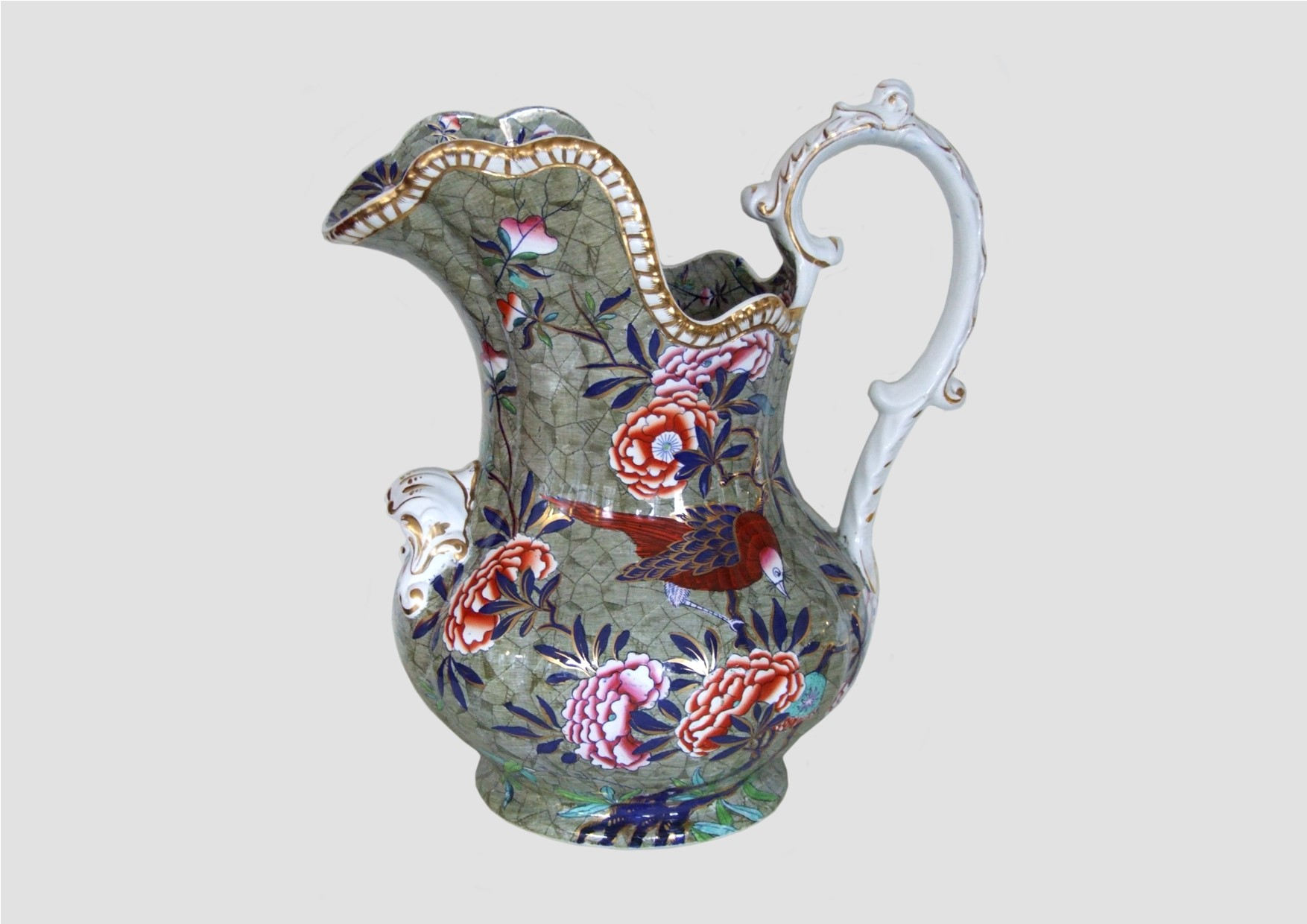
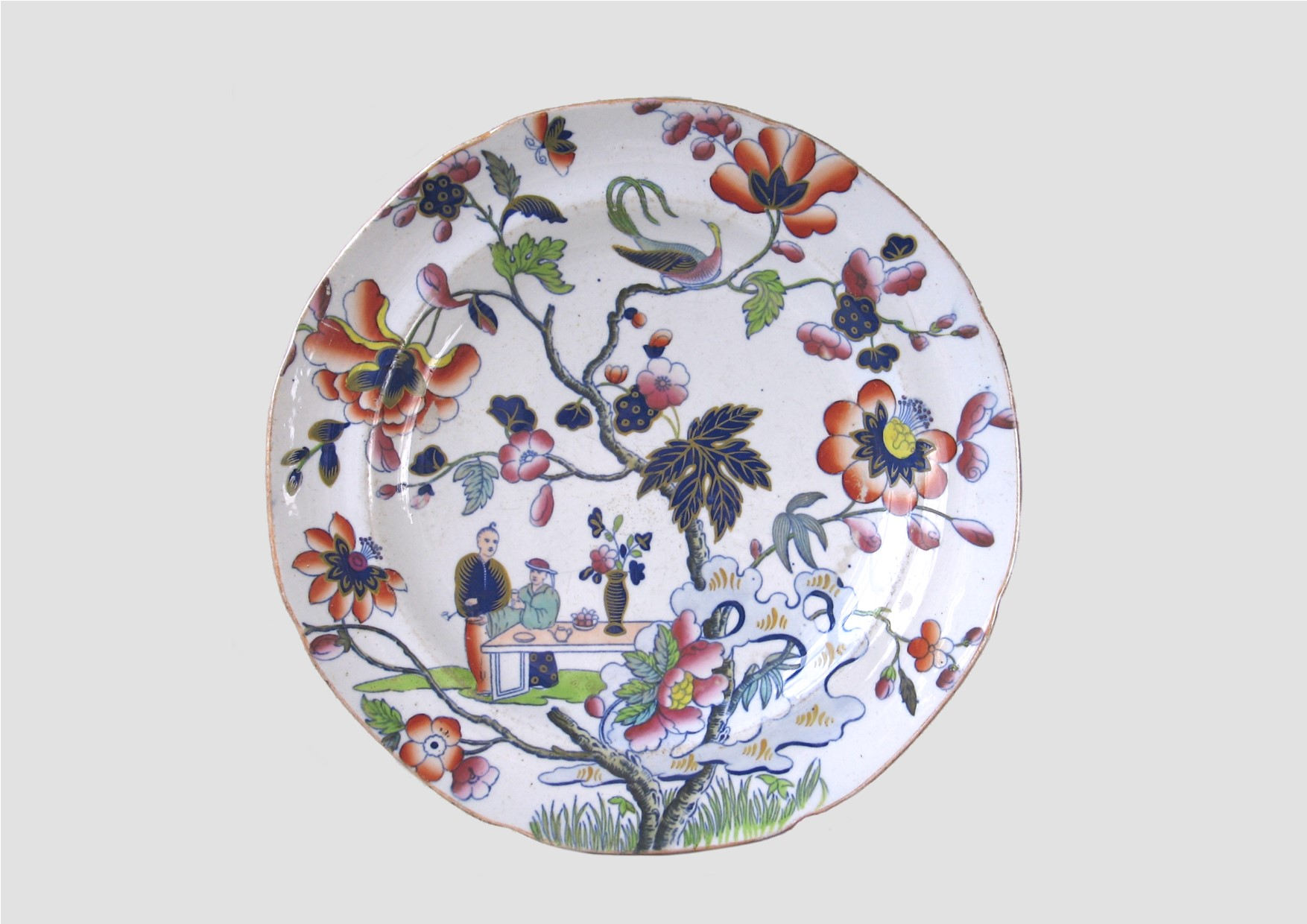
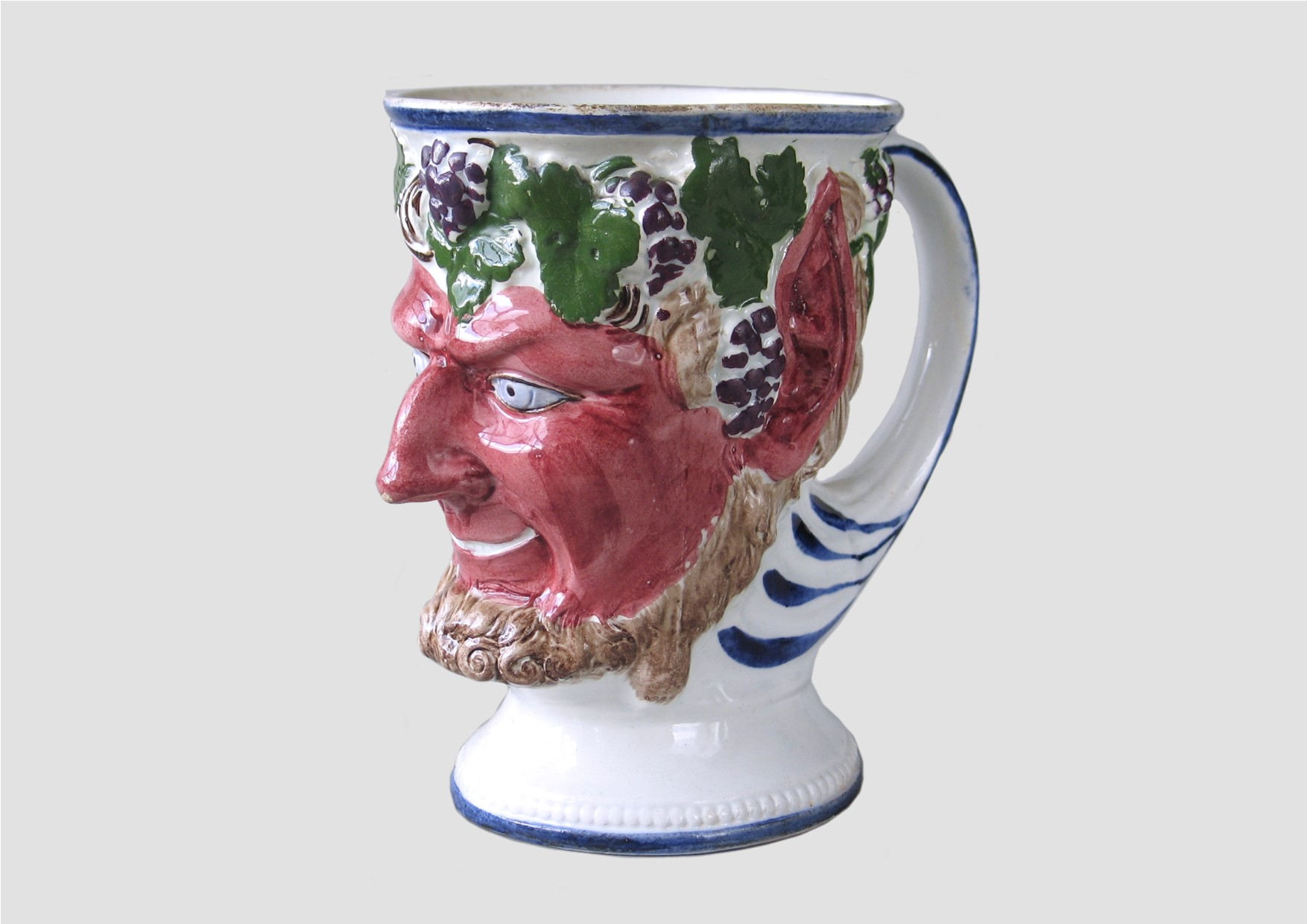
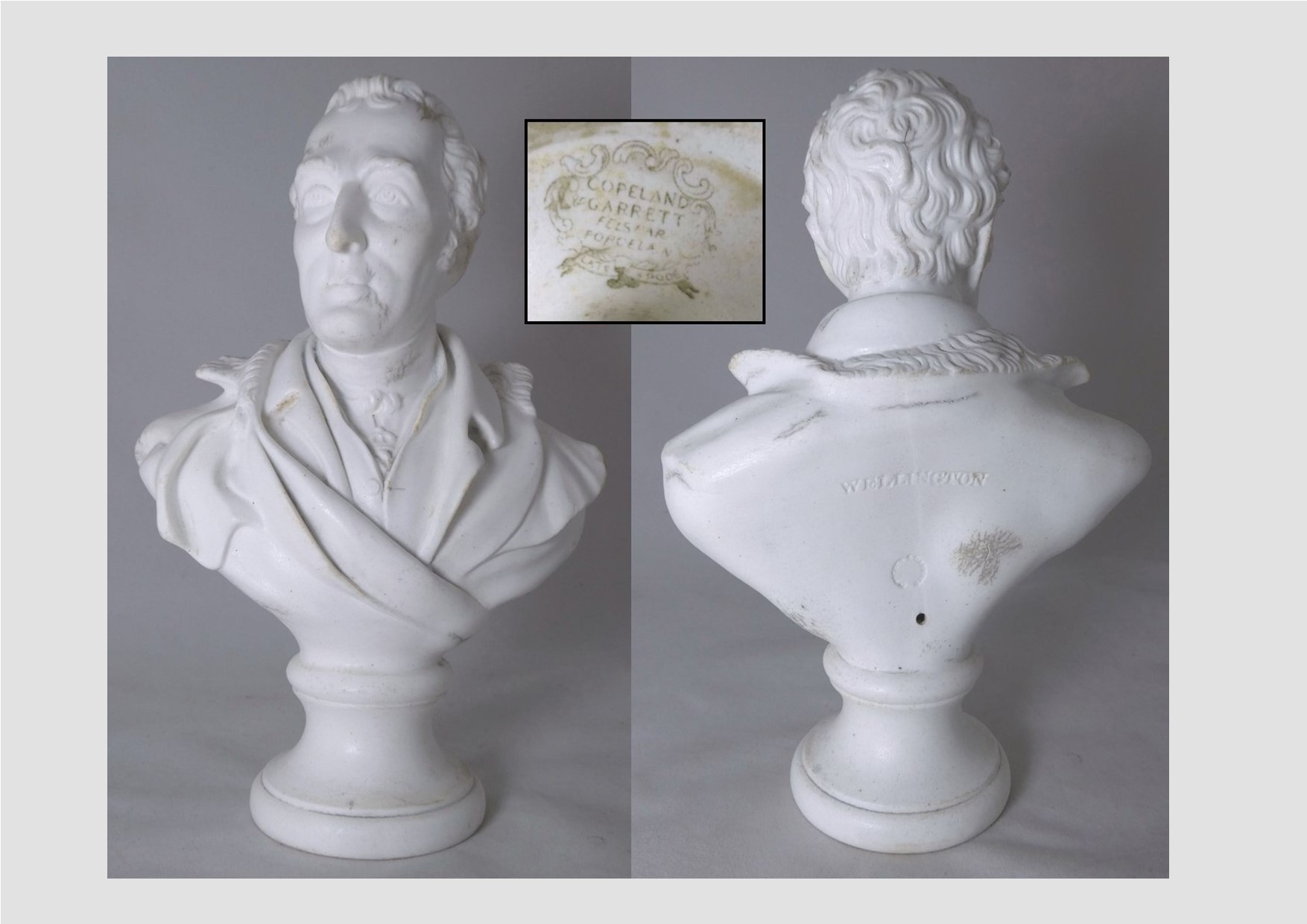
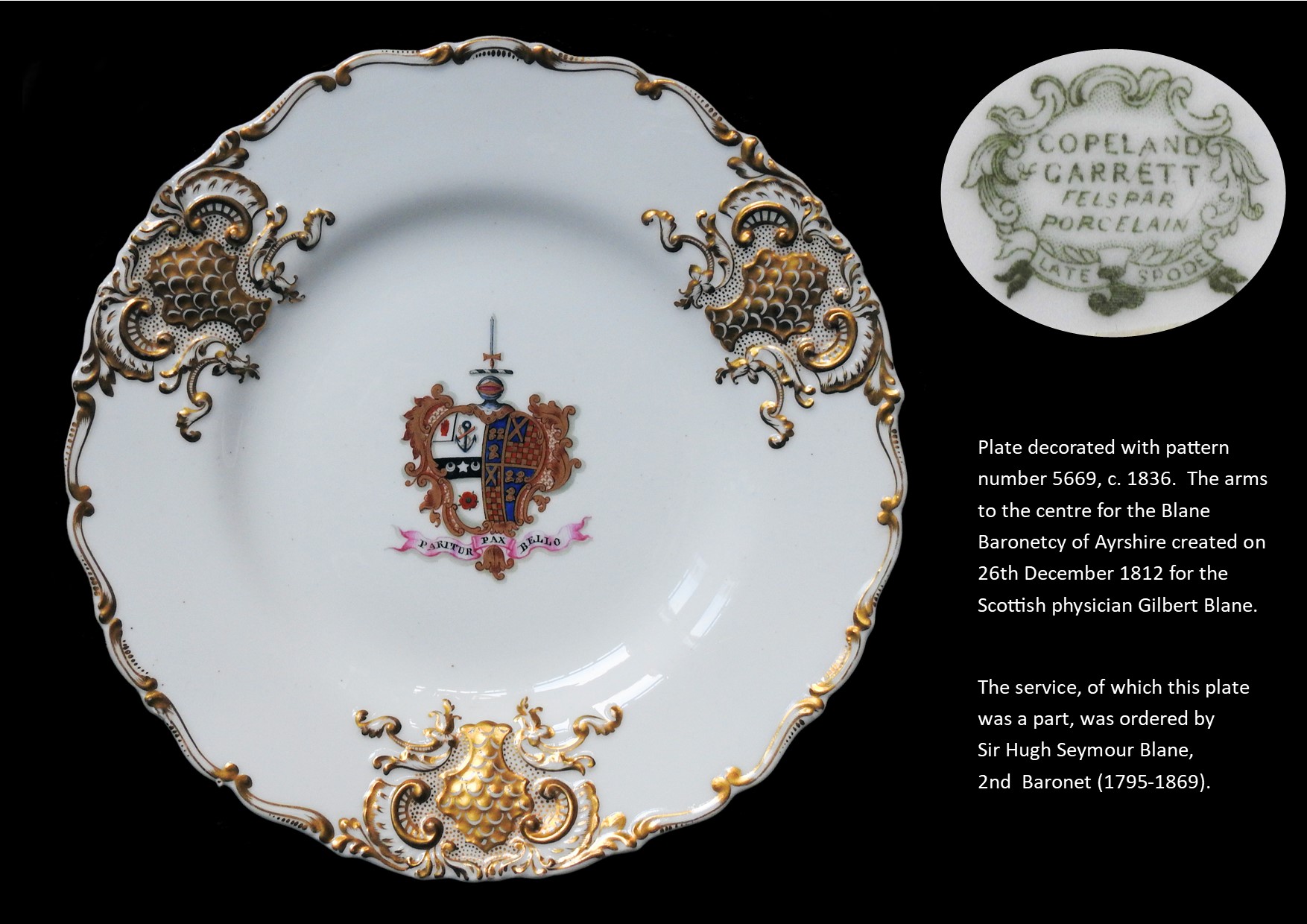
The partnership between William Taylor Copeland and Thomas Garrett was short, just 14 years, from 1833 to 1847, but during that time the factory produced a considerable variety of new shapes and products.
W. T. Copeland married Sarah, daughter of John Yates a china manufacturer in Shelton, Staffordshire. At some point the factory must have assisted the Yates pottery because many Copeland and Garrett tea wares are found decorated with Yates patterns and the addition of the letter Y next to the pattern number.
Thomas Garrett is recorded as a Clerk to Spode, Copeland and Son and for many years was active at the company’s London premises. He did not contribute financially to the business but managed the factory in Stoke whilst W. T. Copeland remained in London.
Another important individual in the company at this time was Thomas Battam, the Art Director, who, in 1842, originated the experiments to create Statuary Porcelain, a fine dense white material imitating marble, also known as Parian.
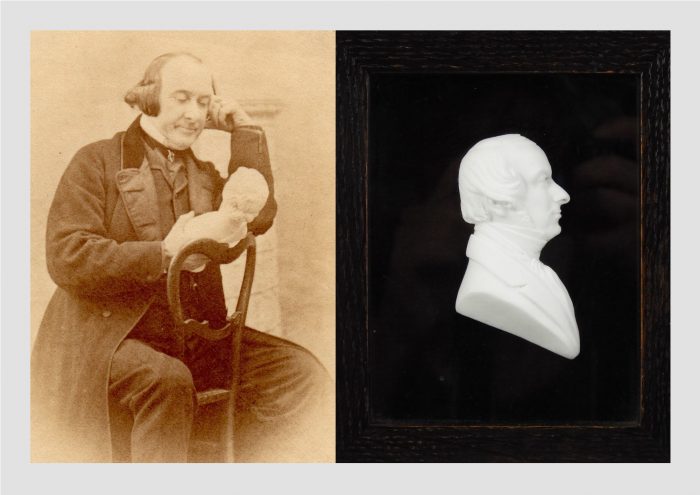
Right: Miniature portrait bust of Thomas Battam in Statuary Porcelain. Left: a very early photograph believed to be Thomas Battam looking down at a Statuary Porcelain bust in his right hand.
The 1830s and 1840s was an important period in the development of ceramic design. Continental porcelain influenced a revived Rococo meeting the tastes in fashion at the time. 1836 saw commencement of tile manufacture and in 1840 vases and other wares were produced and decorated following the Etruscan style previously introduced by Wedgwood.
Fancy flowerpots, door furniture, elaborate dinner, tea and dessert services, and toilet wares were produced in quantity and supplied to Royal households at home and overseas. Large porcelain slabs used for tabletops, furniture inserts and fireplaces and with matching door and drapery furniture were supplied to all the rooms in several grand houses belonging to aristocracy.
The partnership saw the development of new ceramic bodies; New Japan Stone, Royal Opal, New Blanche, Royal Alba and New Fayence.
In 1836 Copeland and Garrett commenced the supply of transfer printed earthenware to the Hudson’s Bay Company in Canada. A new shape, ‘York’, was created named after the Hudson Bay Company York Factory (Fort). The standards for this shape are in the Spode Museum Trust Collection. This arrangement continued until 1872.
On 23rd February 1847 the company name changed to W. T. Copeland after the partnership between Copeland and Garrett was dissolved. In 1847 the London showroom and warehouse in Portugal Street was sold and the firm moved to 160 New Bond Street. For the next twenty years William Taylor Copeland managed the London business as well as the Stoke factory alone.
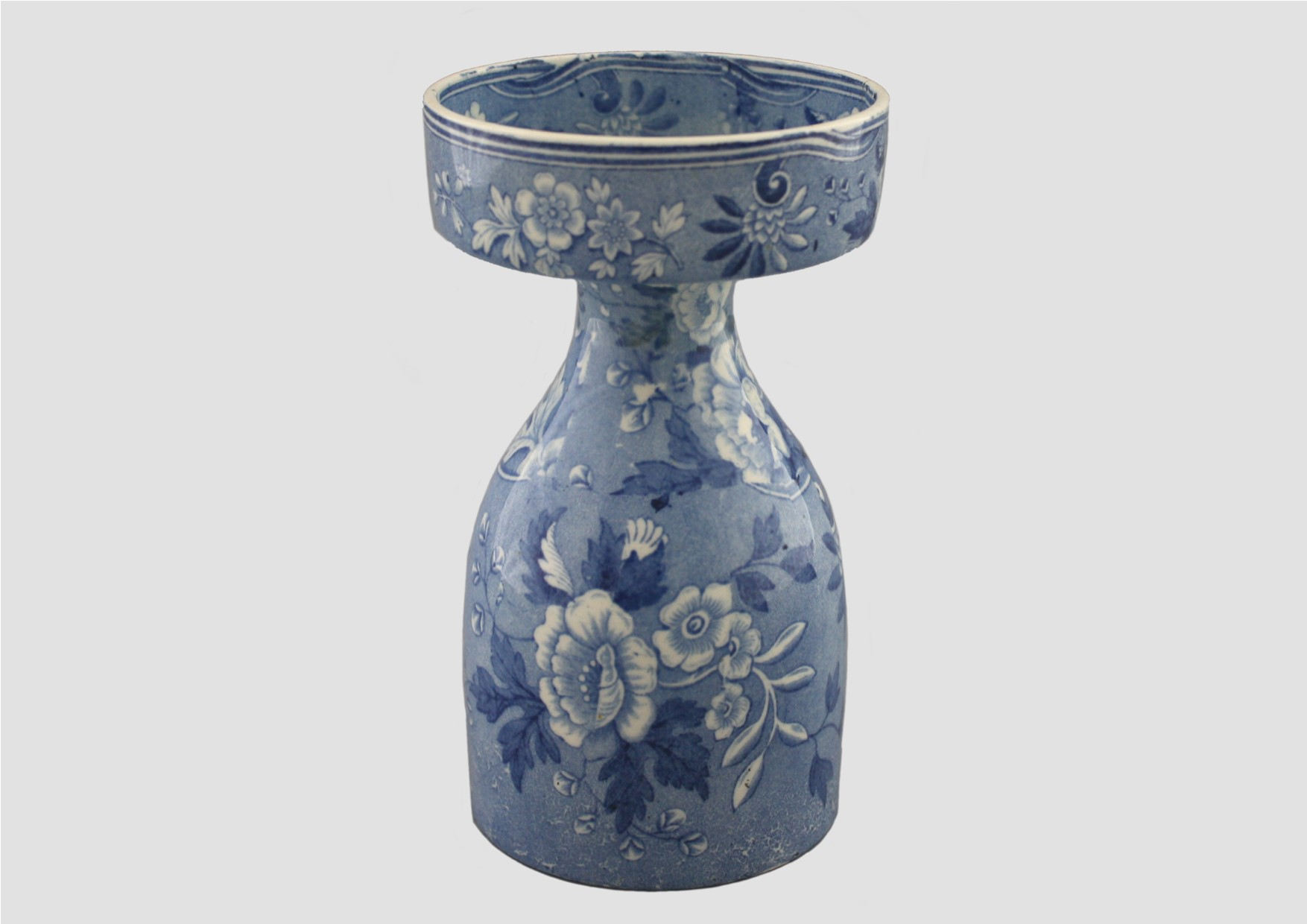
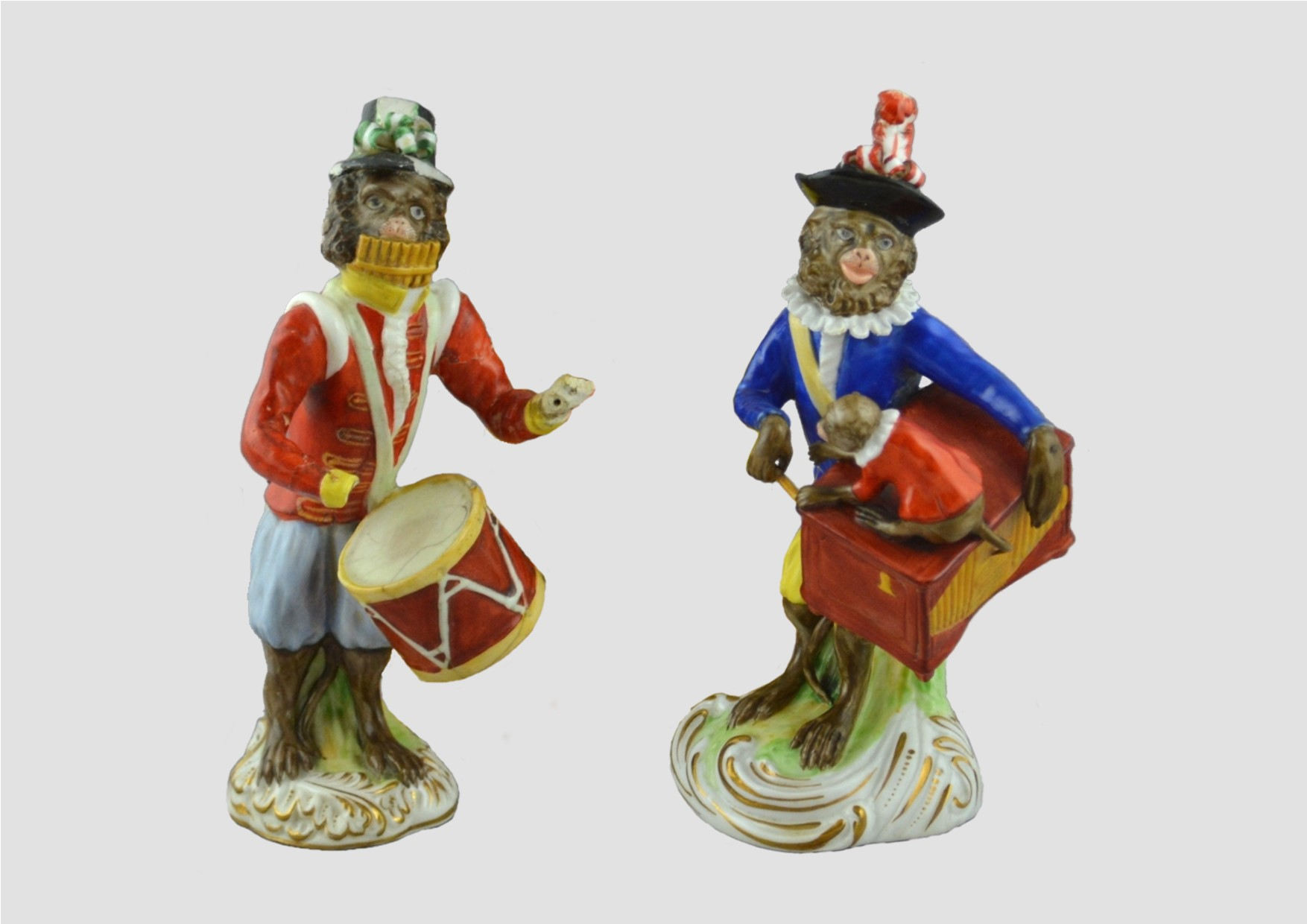
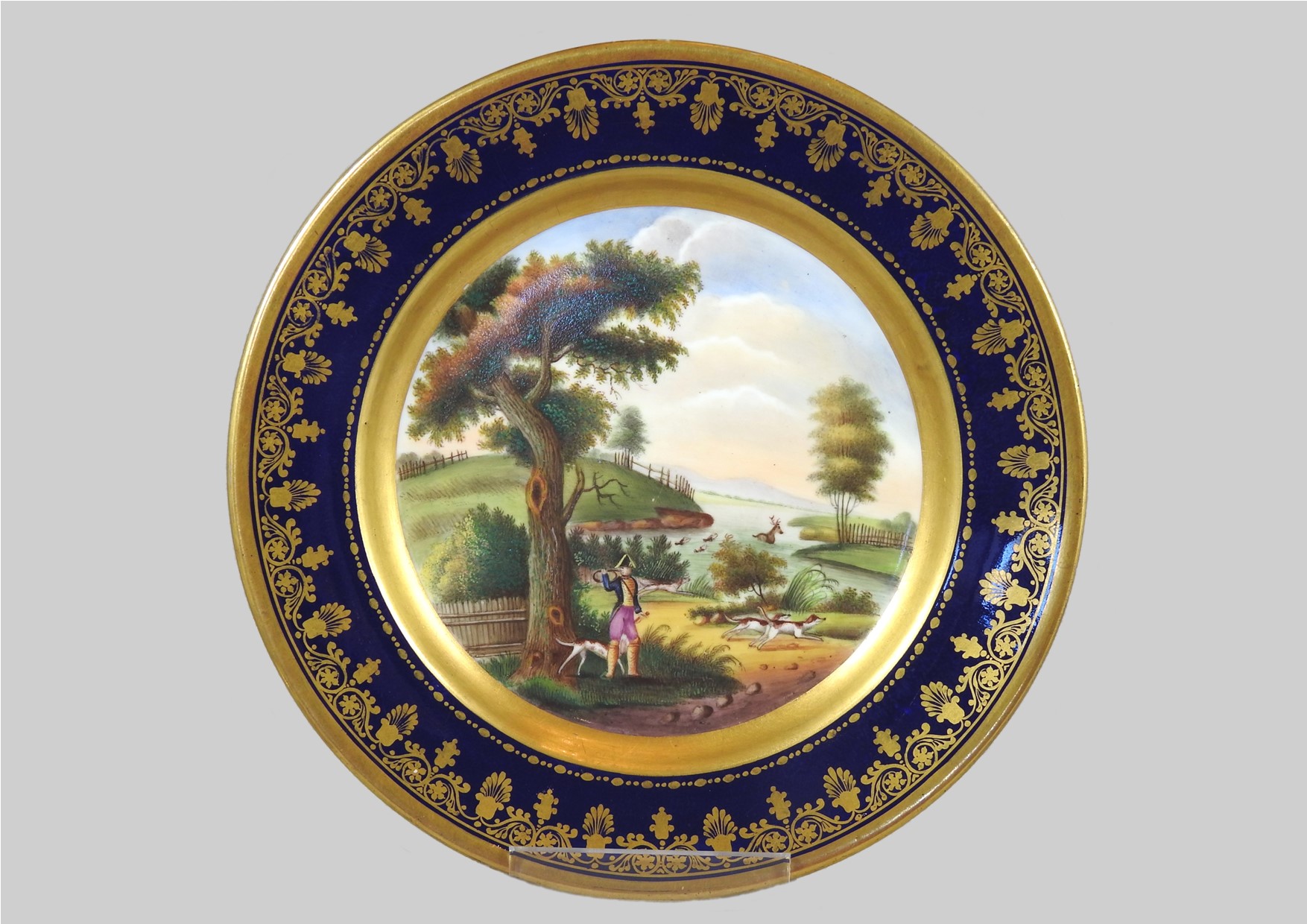




Victorian Wares
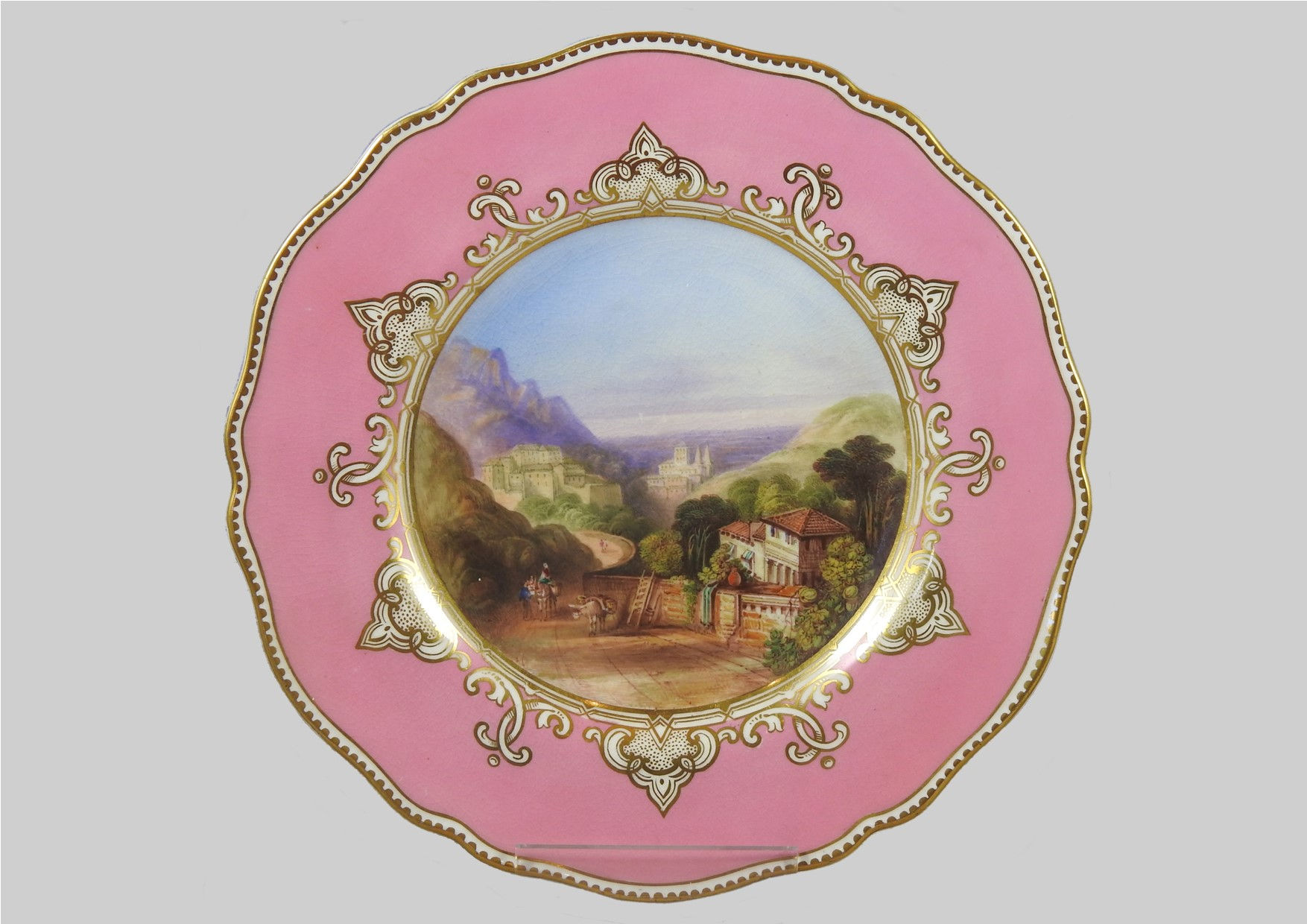
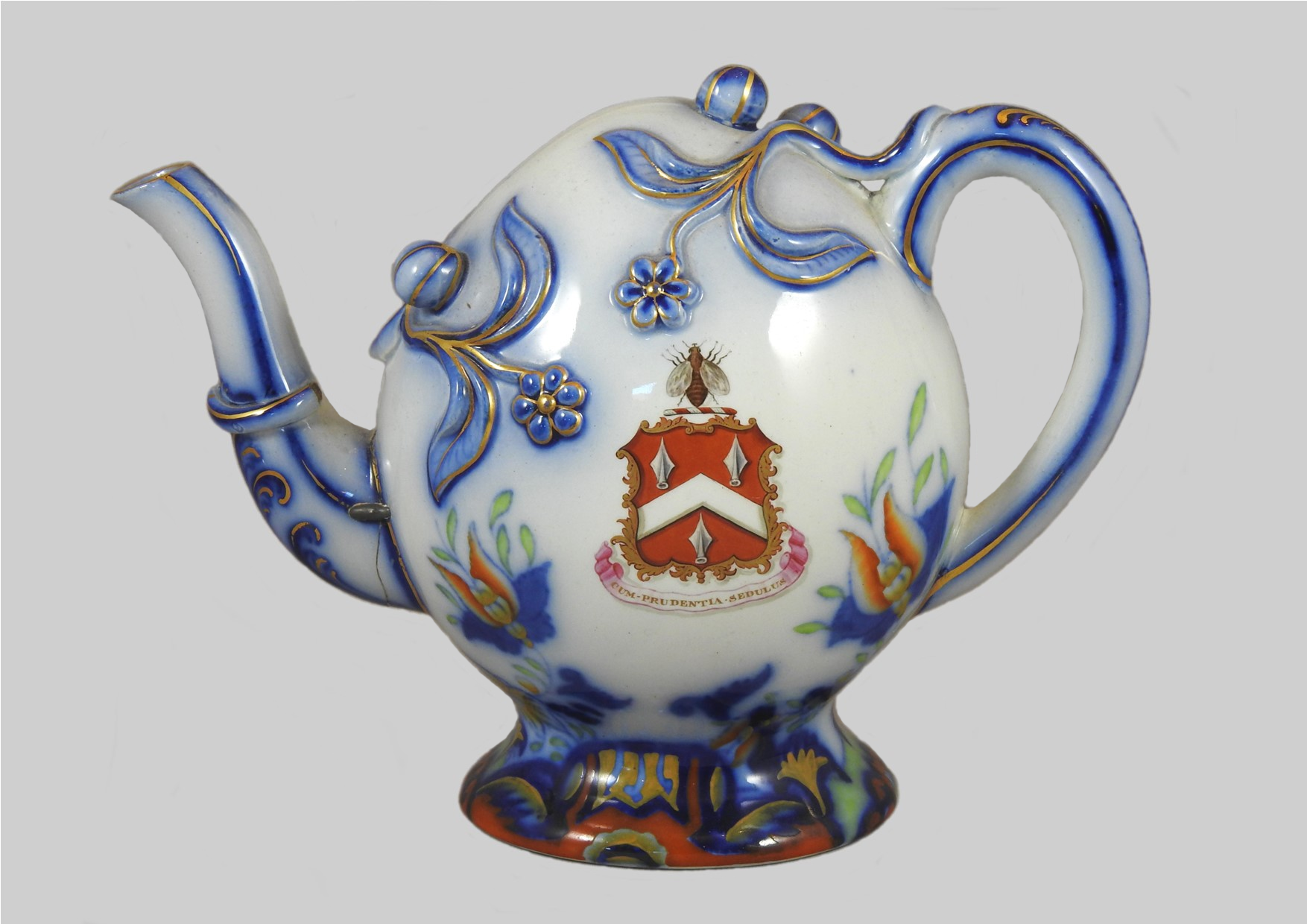
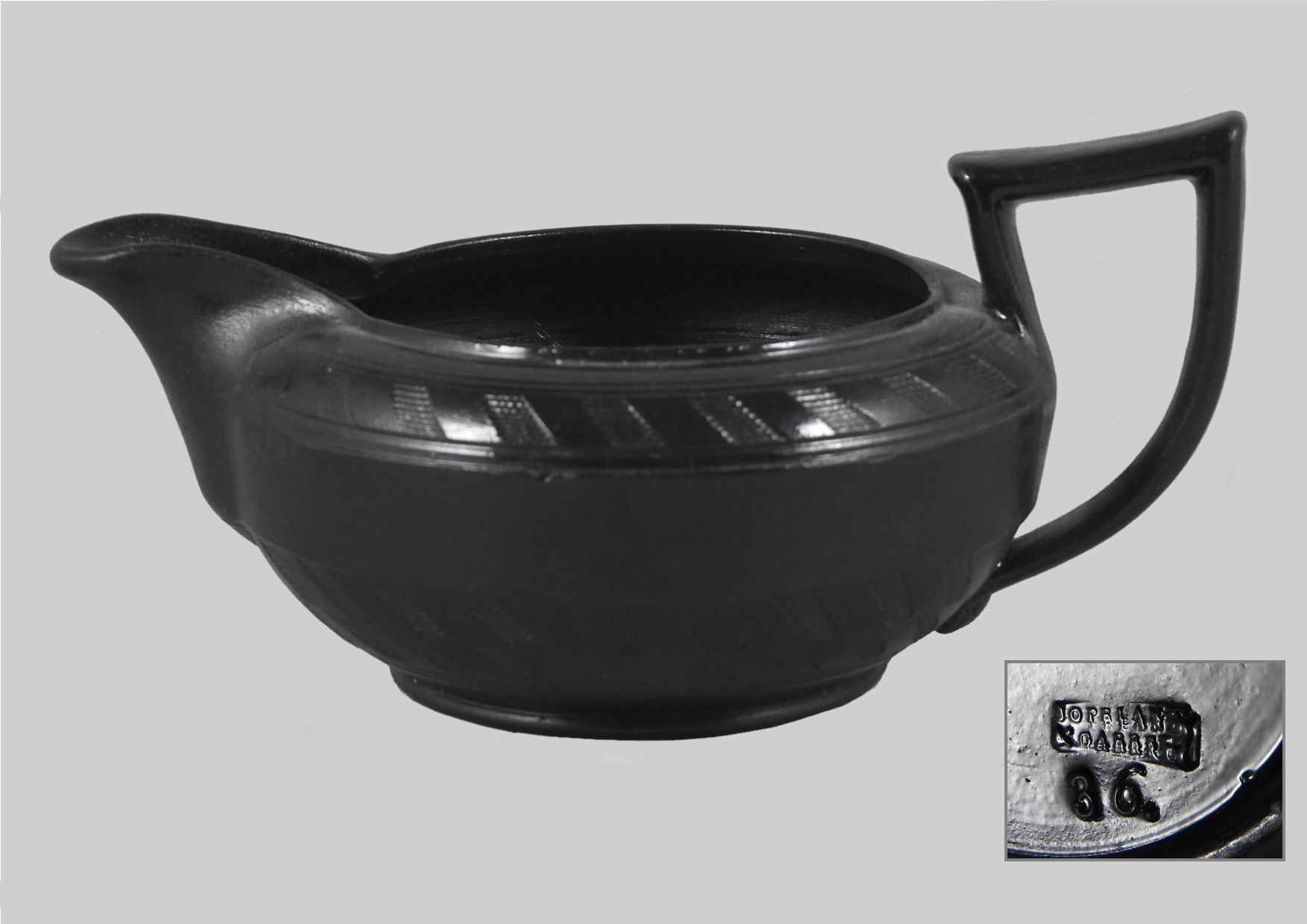
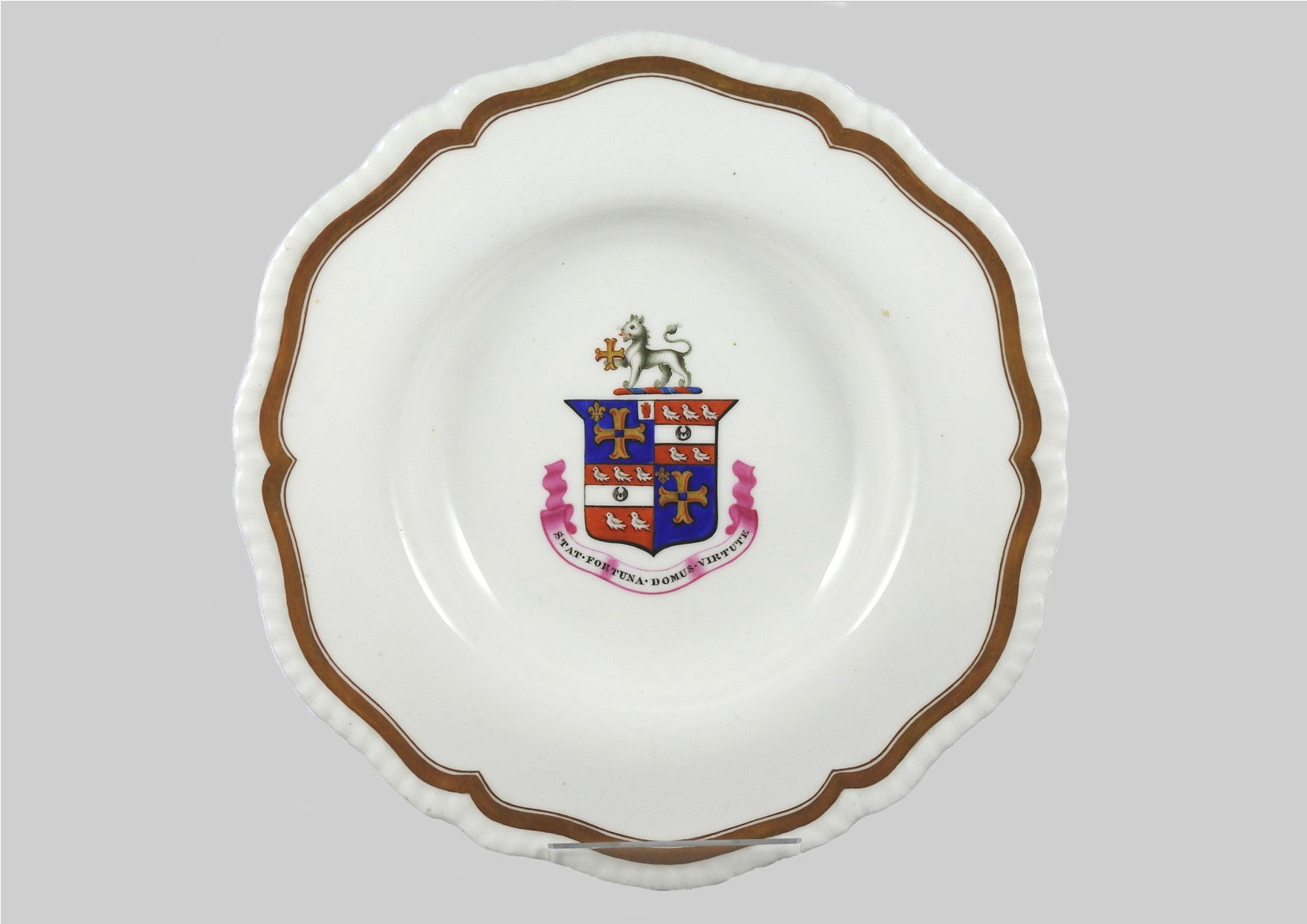
Copelands made everything! The Victorian era of the factory saw remarkable achievements with the factory producing a range of amazing products and achieving remarkable feats, such as the ceiling of the Reading Room of the National Library in Paris, which no other ceramic manufacturer could match.
About Victorian wares